
Sponsored ContentPartner ContentFri 17 Jul 26
The Hidden Cost of Fragmented Proptech in BtR Operations

Technology decisions made at the planning and specification stage of build-to-rent developments are quietly eroding margins for operators already in the market and locking in inefficiencies for those about to enter it.
Access control, property management systems, in-unit automation, amenity booking and intercom functions are typically sourced from separate vendors.
Konec executive director Jack Chang said, in such cases, an operator would need a CRM, a PMS system and, if they have an access control system, they’d need to use that separately “just to give residents access to different amenities, doors, lifts or garages around the building”.
“That’s three systems already, just at a top level,” Chang said.
“What we provide is one platform that links all three together, along with smart controls in the units of each apartment. That saves a lot of manpower jumping around between different systems.”
Konec positions itself as the only single-source supplier for both building-wide and in-unit automation in the Australian market.
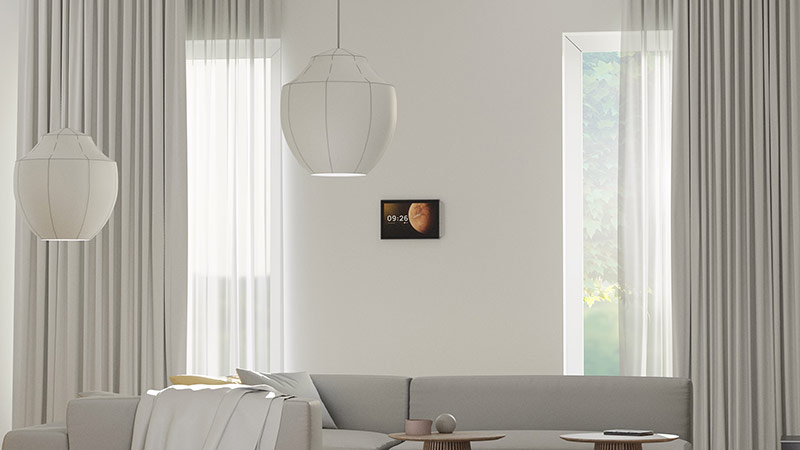
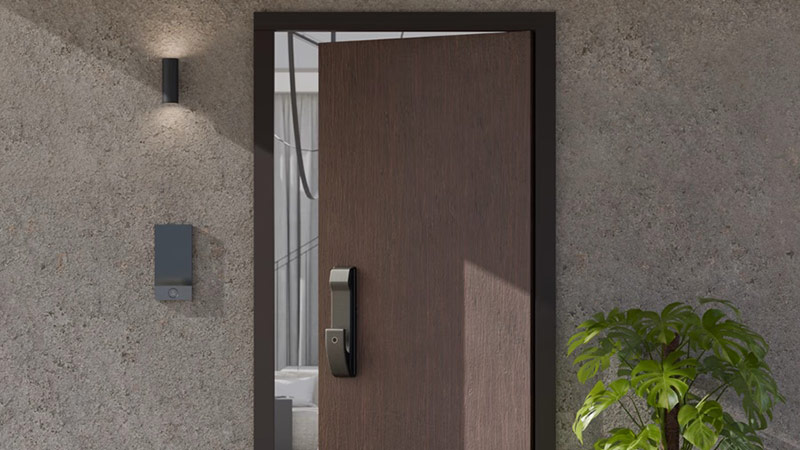
The company’s platform covers building access, intercom systems, amenity booking and lift control, as well as in-unit automation comprising smart locks, switches, lighting, climate control and motorised blinds.
And it’s all managed with one resident-facing app and one operator back-end.
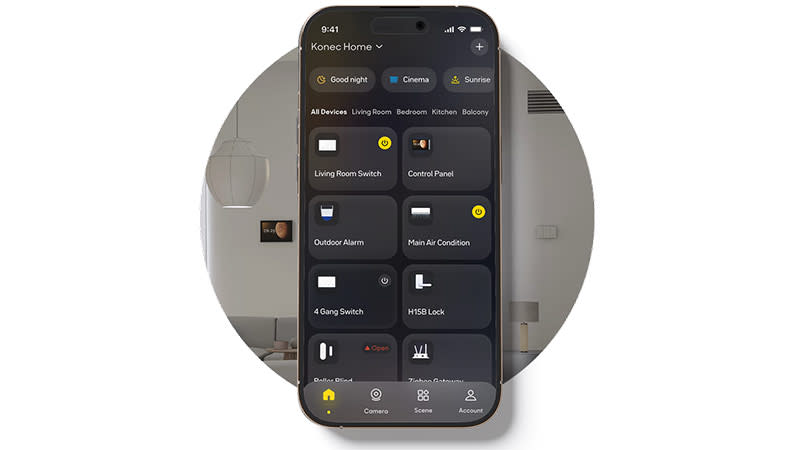
Konec’s wireless platform integrates third-party property management and access control systems to deliver a continuous digital journey for residents, from building entry through to in-unit control of lighting, power, blinds and air conditioning via a single mobile app.
For build-to-rent developments, the platform also supports amenity bookings, maintenance requests and mobile-controlled front door access via the building intercom.
Konec head of sales, enterprise and projects Al Farmer said that developers are consistently surprised by the solution’s effectiveness and the relatively low cost of rolling it out across a project.
Farmer said the advantage of working with one supplier is that “we’re on the hook”.
“It’s not an integrator who’s trying to integrate multiple vendors, who then has to work out which vendor is at fault,” Farmer said. “You’re dealing with us and we become your partner in your building.”
The financial case for consolidation
Konec also provides an ESG Energy Dashboard which reports on energy and monetary savings from smart automations.
Based on results across the group’s PBSA projects, Konec’s Smart climate control solution automatically conserved an average of more than three hours of unnecessary A/C runtime per unit each day.
This is a direct saving for building operators of $0.73 per room daily, adding up to about $268,275 per year across a 1000-unit property.

1 of 4
For build-to-rent assets, where operators typically carry the electricity costs for common areas, presence and contact sensors that cut power when spaces are unoccupied deliver direct operational savings.
Where individual tenants pay their own utilities, the value shifts toward lifestyle: convenience, comfort and energy efficiency become differentiators when tenants compare build-to-rent options when moving in and at renewal.
Forward-looking developers are acting now
Farmer said the company is already engaged with developers planning projects through to 2029, with new pipeline increasingly generated by referrals from existing clients.
Several developers that previously adopted multi-vendor solutions have since re-engaged Konec for future projects, seeking a single-source approach from the specification stage.
Bringing the technology decision forward to the planning phase allows the solution to be designed around both the developer’s and operator’s requirements simultaneously, which can serve as a point of difference when attracting an operator to a new asset.
Ultimately, the technology stack a building launches with shapes what it can charge and for how long it can hold that premium.
As build-to-rent matures, tenants are increasingly comparing product within the sector rather than against the broader rental market. Convenience, comfort and energy efficiency are often deciding factors at renewal, not just at lease signing.
Getting the technology right before contracts are signed is, in that context, less a technology decision than a revenue one.
To learn more about Konec’s single-source building automation platform, visit konechome.com.au
Energy savings data is based on results across Konec’s PBSA portfolio. Figures are indicative; actual savings will vary by building configuration, occupancy and energy pricing.
The Urban Developer is proud to partner with Konec to deliver this article to you. In doing so, we can continue to publish our daily news, information, insights and opinion to you, our valued readers.