
InfrastructureTaryn ParisTue 21 Apr 26
Growing Pains: Planning for Another 41 Million Australians

Australia is on its way to a population of 41 million people by 2065.
That is a huge growth trajectory—an increase of more than 14 million people in the next four decades—and the Planning Institute of Australia is calling for a nationally co-ordinated plan to cope with it.
In its Growing Well report, the industry body said while the growth would underpin economic expansion, it also exposed flaws in the way the nation planned for housing, infrastructure and settlement.
PIA national president Emma Riley said that, regardless of the pace of the growth, the focus needed to be on planning “so Australia grows well”.
“Right now, decisions about housing, infrastructure and population aren’t joined up, and that’s one of the reasons why people are feeling the pressure in their day-to-day lives,” said Emma Riley RPIA (Fellow), National President of the Planning Institute of Australia.
“When growth isn’t planned well, people pay for it through higher house prices and rents, more time stuck in traffic, and overcrowded services and infrastructure.
“This is about making sure growth leads to better communities, not bigger pressures on households.”
Australian concentration of population
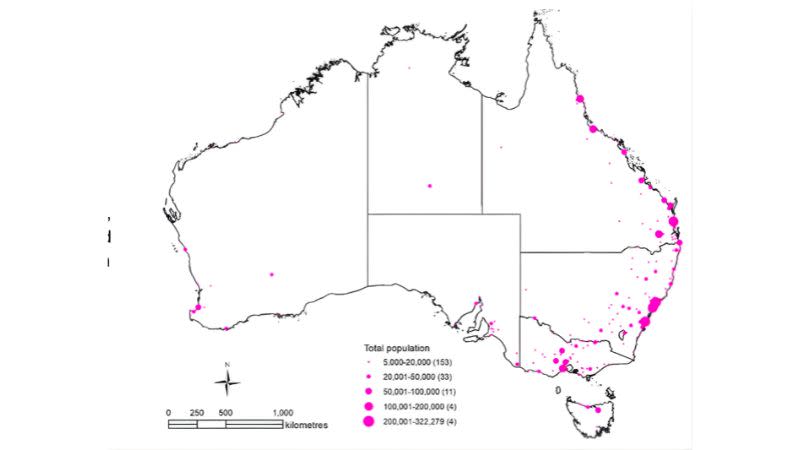
At present, there is no national plan or co-ordinated response across state lines.
While the Federal government sets migration levels and funds major infrastructure, and states control land-use planning, decisions that shape where Australians live are made in isolation.
The report described this as a “spatially blind” system—one in which policies influence settlement patterns without any overarching framework to guide outcomes.
The result is increasingly concentrated growth in major cities, particularly Sydney and Melbourne, which already account for a disproportionate share of population and economic activity.
This uneven development reflects a broader imbalance in Australia’s settlement pattern, with relatively few mid-sized cities compared to other advanced economies.
The PIA is advocating for a National Plan for Australia’s Growth—a long-term spatial framework that aligns population, housing, infrastructure and economic policy.
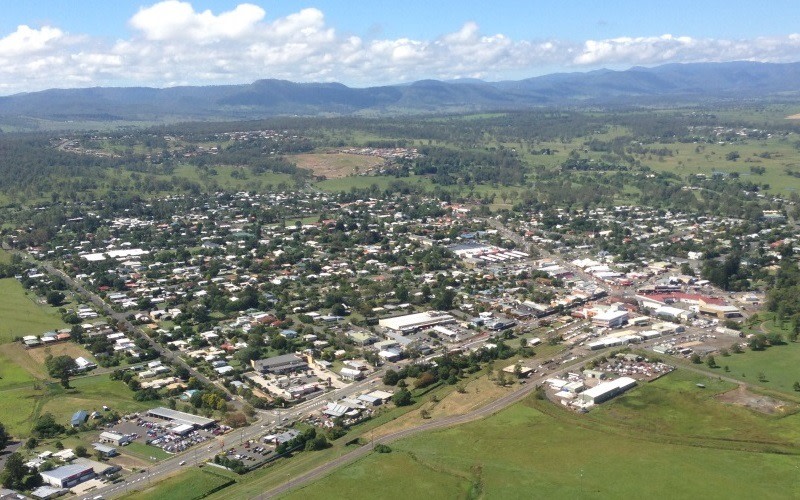
The report emphasised that this was not about dictating where people should live, but about improving co-ordination between governments and providing a shared evidence base for decision-making, and international precedent supports this approach.
More than 80 per cent of countries now operate national urban policies or equivalent frameworks to guide development and investment. These plans help align infrastructure with growth, support regional economies and improve resilience to economic and environmental shocks.
According to the PIA, the opportunity lay in moving from a reactive model of “predict and provide” to a more strategic “vision and validate” approach.
This would involve testing different growth scenarios—such as expanding regional cities, developing new urban centres, or strengthening transport corridors—and understanding their long-term implications.
Ultimately, the report frames population growth not as a problem to be managed, but as a national opportunity—if planned well.