
ChildcareVanessa CrollMon 12 Jan 26
Central Coast’s $260m Film Precinct Faces Planning Test

A $260-million “world-leading” film studio proposal on the NSW Central Coast is now responding to planning requirements its proponents say were drafted months earlier but only issued in December.
Plans for the Central Coast Film Production Precinct have entered a decisive phase after NSW Planning released its Secretary’s Environmental Assessment Requirements (SEARs) on December 23.
The project team says the requirements were prepared earlier in 2025 but were not formally issued until late in the year.
“The Central Coast Council’s comments were written to Planning NSW in May but they weren’t uploaded or issued to us until December 23, 2025,” Central Coast Studios founder Craig Giles told The Urban Developer.
“We’ve been in active discussions with planning for close to 10 months without seeing those requirements.”
Giles said the timing had real implications for workflow and sequencing.
“We’ve been meeting, talking and planning for months,” he said. “To then receive the requirements all at once, so late in the year, affects how you progress work and respond.”
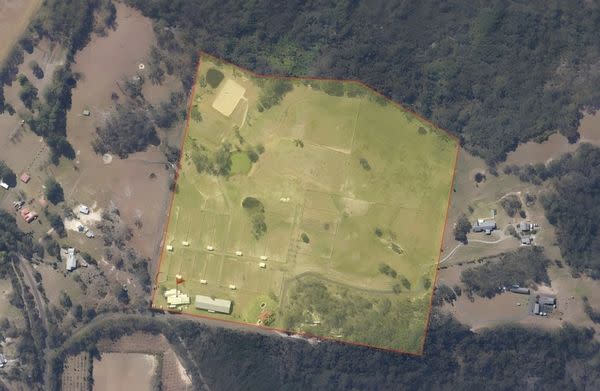
The proposal spans about 20.5ha of rural zoned land at 49 Jones Road, Calga, on the NSW Central Coast.
The site is currently used as a horse training facility.
NSW Planning has questioned whether the land itself is suitable for a project of this scale.
Zoned for primary production, the proponents will need to justify an intensive, mixed-use film precinct in a rural setting rather than on land closer to existing urban areas.
The Central Coast Council has raised similar concerns, suggesting alternative sites nearer the urban footprint should be considered as part of the assessment.
Giles rejects the suggestion the project is misplaced.
“The site sits among other non-agricultural uses and is currently used for horse training,” he says. “There are clear precedents in the surrounding area.”
The project is being led by commercial development lawyer Heath Bonnefin alongside husband-and-wife filmmakers Craig and Amanda Giles, operating under Central Coast Studios.
The team has positioned the venture as a blend of legal, planning and production expertise aimed at attracting large-scale domestic and international screen projects.
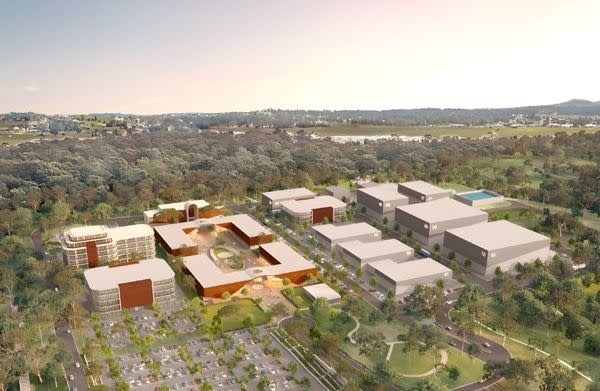
Central Coast Studios promotes the precinct as a “world-leading hub” for film, television, games and digital production, anchored by 10 sound stages, large exterior water filming tanks and an education precinct designed to meet international production standards.
Alongside the studio facilities, the scheme includes a six-storey, 180-room hotel and an onsite childcare centre.
Both sit at the centre of planning scrutiny. In issuing the requirements, NSW Planning asked how the hotel and childcare centre would operate day-to-day and whether public access would be allowed.
If so, planners want clear operational controls showing use remains primarily linked to film production activity.
Giles said the facilities were designed to address long-standing workforce barriers in the screen sector.
“Childcare is there for equal opportunity,” he said. “If you want women working in studios, especially on long shoots, you have to make it possible for parents to stay in the workforce.”
Planning documents show the studio component is being assessed under film production provisions, while non-studio elements face closer examination.
NSW Planning has asked for a detailed explanation of how each part of the precinct supports film production rather than operating as an independent commercial use.
“The concern seems to be we’re going to run this as a separate commercial entity,” Giles said.
“That’s not the intent. The whole site is designed around supporting production and the people working there. We want to provide benefits to the wider community.”
Other proposed elements include a 1000-seat performance centre, education and training facilities, retail and hospitality venues, parklands and meeting spaces.
Public material presents the precinct as both a production facility and a broader campus environment.
The education and information centre face similar scrutiny.
NSW Planning has requested detail on training providers, student numbers, pathways into onsite film jobs and how exhibition spaces would operate.
Ownership and control of the proposed Indigenous and multicultural space must also be clarified.
Support lodged with planning includes backing from industry operators, business groups and local leaders, who argue the project responds to a shortage of large-scale production space in NSW.
Ian Anderson, director of Mitech Design, said that “Central Coast Studios’ purpose-built sound stages and facilities will be a welcome addition to the NSW landscape which are long overdue”, and that once “up and running, we will be very keen to book space for numerous television productions”.
Business NSW Central Coast also backed the proposal, saying “the Central Coast offers the creative industry an attractive investment platform unlike any other”.
Giles said interest from producers had emerged despite the project still being in planning.
An independent cost report from November places total development cost at $259.3 million.
Construction employment is estimated at 825 jobs, with operational roles yet to be defined.
Central Coast Studios’ website forecasts more than $1 billion in economic benefit to the region within two years of operation at 50 per cent capacity.
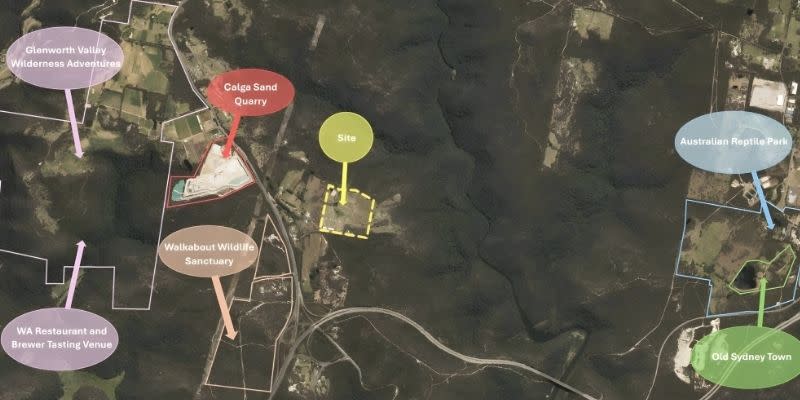
Traffic impacts, access arrangements and nearby aviation activity have also been flagged for detailed assessment.
Central Coast Studios has two years from the December issue date to lodge a development application and environmental impact statement before the requirements lapse.