
ApartmentsClare BurnettMon 21 Sep 26
Cbus Towers-and-Townhouses Scheme Waved Ahead at Richmond

Cbus Property has won approval for a $400-million, two-tower apartment and townhouse project at Richmond in Melbourne’s inner east.
The proposal for the site at 43 and 63-67 River Street was submitted in April via the Development Facilitation Program pathway.
Cbus Property acquired the “enormous” site in 2025 for $55 million.
The property development arm of the $115-billion superannuation group can now move ahead with the development on the Yarra River after the Department of Transport and Planning approved a ministerial permit for the project.
Cbus is planning to build its development on one of the largest combined landholdings in the local activity centre, it said, totalling 10,040 square metres.
The two-tower project comprises blocks of 9 and 12 storeys as well as 13 townhouses.
Two-hundred homes in total are to rise on the site, comprising 20 of one bedrooms, 89 of two and 78 of three bedrooms.
Parking for 300 cars and 226 bicycles is also included.
Designed by SJB Architects and Hecker Guthrie, the project will also have 365sq m of retail spaced.
An affordable housing contribution of 3 per cent of the cost of the development has been promised.
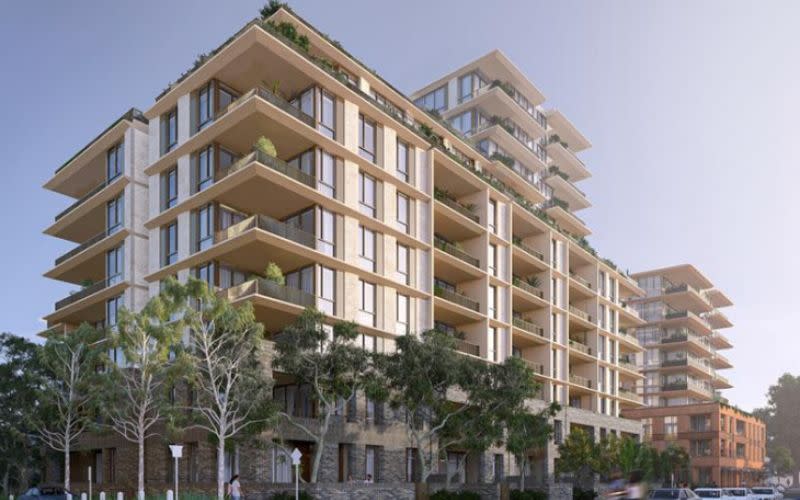
The Cbus project will replace a three-storey office building, which was home to NHP Electrical Engineering Projects for 44 years.
Cbus Property chief executive Chris Kakoufas told The Urban Developer its project was “one step closer to delivering a distinctive new riverside community in one of Melbourne’s most tightly held lifestyle precincts”.
“Our ambition is for River Street to become part of Richmond’s fabric—a place not only recognised for the quality of its homes, but for the enduring value it provides to residents, the surrounding Richmond community and Cbus Super members.
“We believe this development is well placed to meet market demand and will resonate strongly with purchasers seeking high quality, functionality and long-term value.”
The developer approval comes as the neighbours continues to evolve from its industrial and commerical past, the planning officer report said.
The development will add to the City of Yarra’s target of 44,000 new homes by 2051, but the council was not initally a fan of the development.
After considering the development at its June meeting, the city told the DTP it did not support the project as its scale, height and massing “did not respond to the site context, nor respect the natural Yarra River environs”.
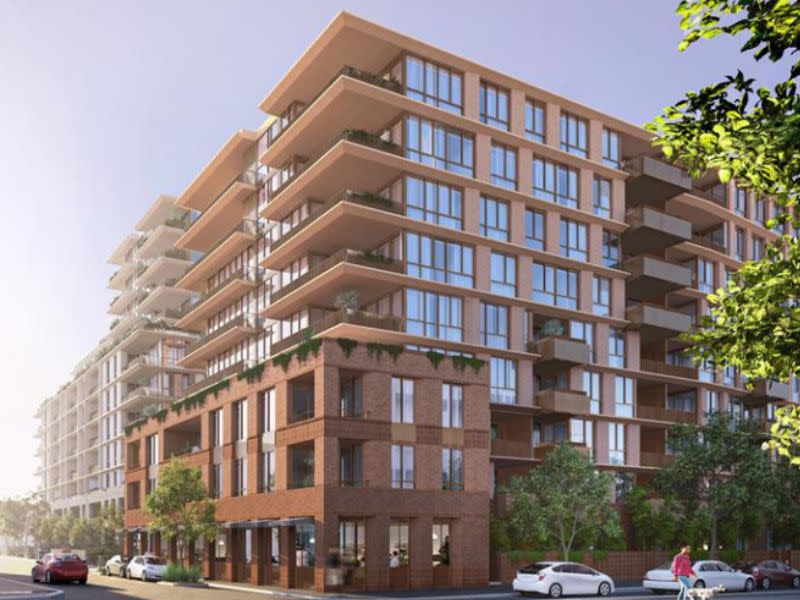
It recommended that proposed setbacks be increased and a provision of 10 per cent affordable housing be included within the development, rather than just a contribution.
But the DTP said it provided “generous” setbacks from the river and “positively contributes to the evolving character of the activity centre”.
The state highlighted the inclusion of retail premises as providing employment opportunities and said the site was well-connected to public transport, and granted Cbus the permit to develop its residential project.
Kakoufas said the development represented “a once-in-a generation opportunity” for riverfront views, and Cbus had experienced strong enquiry, which “reinforces the unmet demand for high-quality owner-occupier housing in this location”.
“Many of our early enquiries are from Hawthorn and Kew residents because opportunities like this simply do not exist in those suburbs. For many buyers, River Street is the only opportunity to right-size without leaving the area they call home.”
Elsewhere at Richmond, Australian Venue Co. is expanding an existing pub site into a new entertainment precinct and Goldfields is working on its $170-million tower on Brighton Street with Ironside.





