
ApartmentsClare BurnettMon 27 Apr 26
Western Sydney TOD Plans Pave Way for 15,000 Homes

Transport-oriented development (TOD) plans have been finalised in two Western Sydney suburbs, making way for an estimated 15,000 homes.
The City of Canterbury-Bankstown has finalised planning controls for TOD precincts at Punchbowl and Wiley Park.
The controls will allow more housing on the doorstep of the new Sydney Metro stations in these suburbs, due to open later this year.
The precinct plan for the areas will revitalise Punchbowl and Wiley Park’s main streets and provide new public open spaces and pedestrian links, according to the council and state government.
The plan allows for up to 3 per cent of affordable housing for developments of more than 200sq m, and building heights of between six and 18 storeys.
Floor space ratios have been allowed between 0.7:11 to 5.5:1.
Canterbury-Bankstown TOD plans were revisited following the state-led introduction of TOD precincts in 2024.
Canterbury-Bankstown said that the TOD program’s intentions were good, but “we do not believe that the best way of achieving this is to propose a blanket approach across the state”.
It was the first council to complete its own TOD masterplan in 2024 for Bankstown.
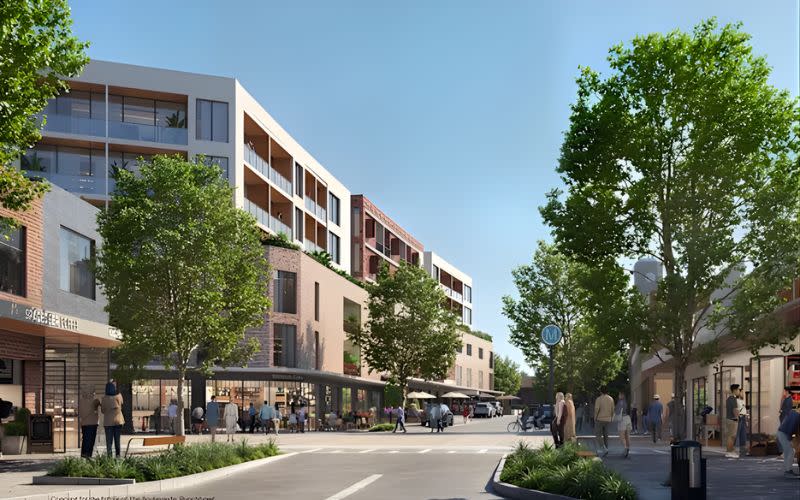
The council requested more time to undertake masterplanning for Punchbowl and Wiley Park, taking a more conciliatory approach than its fellow council Ku-ring-gai, which fought against TOD precincts and only joined the scheme in November 2025.
Punchbowl and Wiley Park had already been confirmed as TOD precincts in May 2024, and the council was allowed to then take on local planning work for the village centres.
It undertook consultation on alternative approaches to the TODs in May 2025.
Canterbury-Bankstown’s plans aimed to add new housing “in more suitable areas”, secure long-term affordable housing with a minimum rate and create new open spaces and improved connections while preserving the centres’ characters.
According to the NSW Government, existing TOD precincts within 400m of stations, have almost 19,000 homes in progress in the planning system with more than 1700 already approved.
The program is expected to unlock more than 170,000 new homes in the next 15 years.





