
LivingLeon Della BoscaFri 17 Jul 26
Snøhetta’s Gumji Kang: The Biggest Opportunity is Hidden in Plain Sight

Gumji Kang has built a career on a simple observation: the success of a development rarely comes down to the building itself. It comes down to what happens around it.
Kang, who is the managing director at Snøhetta Australasia, is based in Melbourne and leads a studio balancing global design expertise with local context across civic, cultural and urban projects.
Watching people inhabit finished spaces, Kang said, has taught her more than any design brief.

“The best developments don’t simply occupy land. They create the conditions for life to unfold time,” she told The Urban Developer.
“Rather than seeing projects as individual objects, I now see them as ecosystems, where the quality of the relationships is often the greatest determinant of long-term success.”
Kang said the property sector still treats financial performance, sustainability, social value and design quality as competing priorities rather than connected ones.
“In my experience, the strongest developments recognise that they’re mutually reinforcing,” she said.
“You don’t design a building only within the boundaries of its site, you design how it contributes to everything around it. A building should be a good neighbour.”
Asked about the greatest untapped opportunity in the built environment, Kang said she’s keen to see more attention turned to “making our existing neighbourhoods denser, greener, more walkable and more connected”.
“I believe the biggest opportunity might be hidden in plain sight. The reason everyone isn’t chasing it is because it’s messy and complicated, but it’s possible, and brings back more value,” she said.
1 of 3
Snøhetta’s Melbourne studio started with the firm’s first Australian project, Pridham Hall in Adelaide with JPE Design Studio.
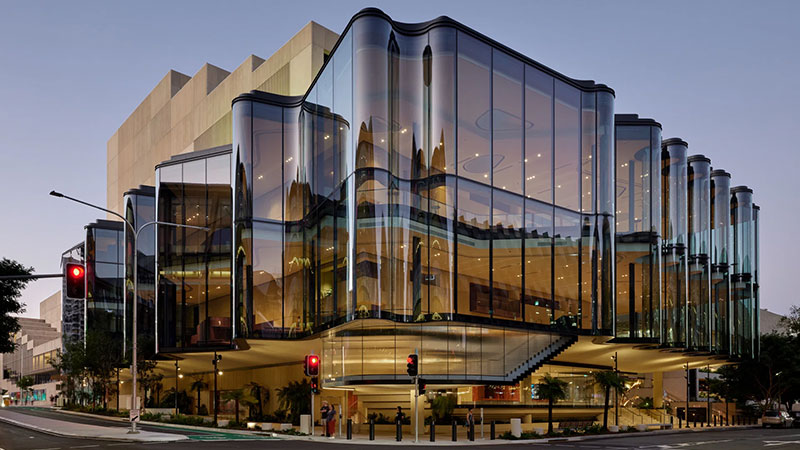
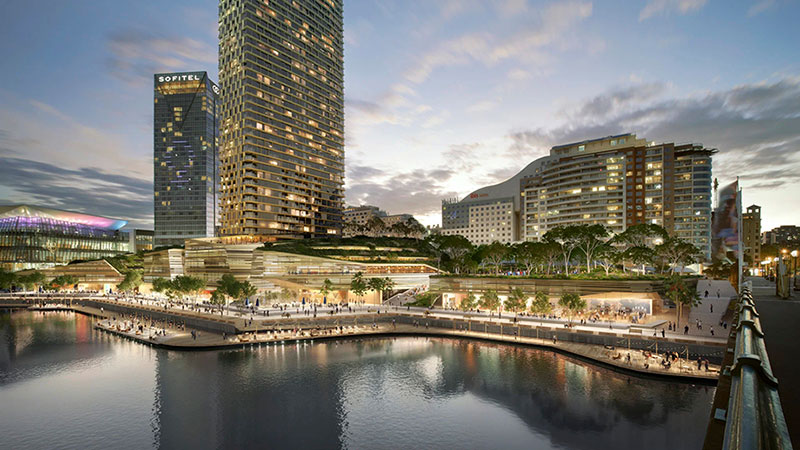
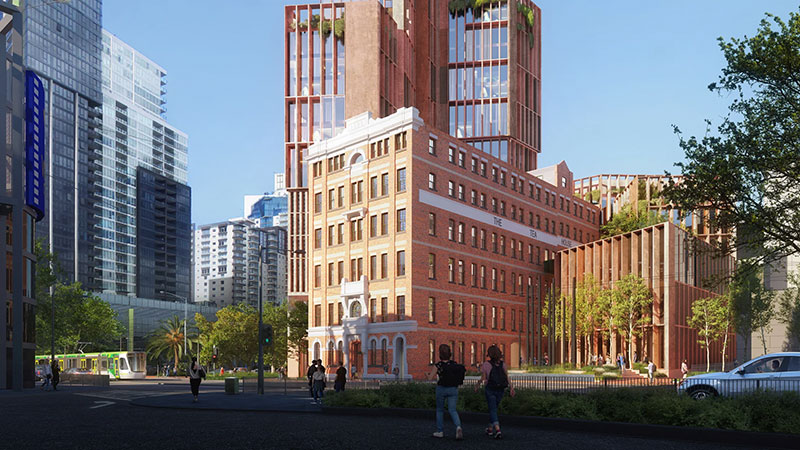
It has since built a portfolio featuring Brisbane’s Glasshouse Theatre with Blight Rayner, Sydney’s Harbourside with Hassell and the adaptive reuse of Melbourne’s Tea House for client Monno.
“Our work on Harbourside alongside Hassell and Djinjama reaffirmed how vital it is to embed First Nations perspectives from the outset, not as an add-on but as the foundation for design that truly cares for Country,” she said.
Kang said short-term thinking is something that keeps her up at night.
“We design cities that will be around for a century, yet many decisions are made on timeframes measured in quarters and election cycles,” she said.
And what pulls her back into the work each day? An industry with influence that outlasts any single project.
“There are not many professions where the work you do today might shape how thousands of people live, work and connect for decades. That’s a huge responsibility, but it’s also endlessly motivating.”
Gumji Kang will join the ideas showcase line-up at Urbanity-26, bringing her perspective on design, culture and city-making to the stage. If you’re not there, make sure to check out our OnDemand section for post-event coverage.