

ResidentialLeon Della BoscaTue 17 Mar 26
Inflation, Middle East Risk Force RBA’s Hand on Rates

The Reserve Bank of Australia has raised the official cash rate by 25 basis points to 4.10 per cent, its second consecutive increase, with persistent inflation and escalating conflict in the Middle East driving the board’s decision.
Voting five to four at its March meeting, the Monetary Policy Board cited inflation picking up materially in the second half of 2025.
Higher fuel prices driven by the Middle East conflict posed a material risk that inflation would remain above target for longer than previously anticipated, the board warned.
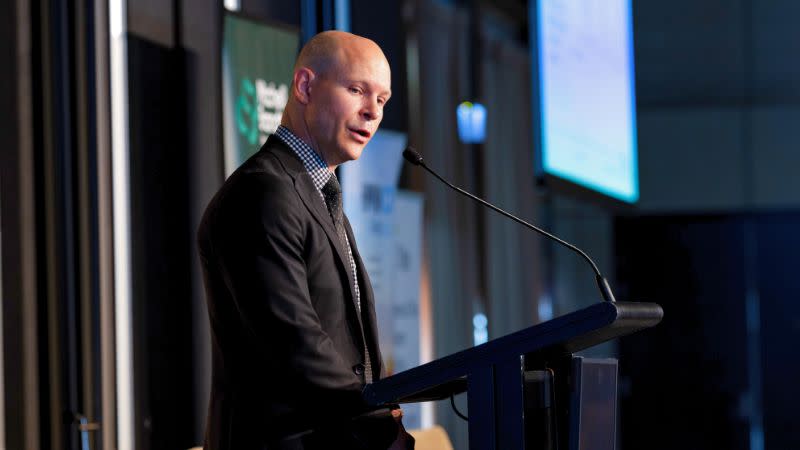
Most developers, financiers and sales agents, however, were prepared for the decision, according to Charter Keck Cramer head of research Richard Temlett.
The more pressing question, he said, was how much further the cash rate would climb.
Temlett said the decision was not surprising given the inflation outlook and geopolitical uncertainty but its impact would not be felt equally across markets.
“Buyers are very brittle in Melbourne right now,” he said. “The city had needed stability and confidence, and the back-to-back increases would delay its recovery, pushing out the timeline for detached house prices to recalibrate upwards.
“No one needs more headwinds in Melbourne, but unfortunately that’s reality. Projects getting planning approval probably aren’t really that impacted, but ones launching to market or actively selling, if they’re in Melbourne, there will be more headwinds.”
Smaller markets better placed
Sydney, with its high levels of variable-rate mortgage debt, would also face meaningful headwinds, Temlett said, but smaller markets were better positioned.
Brisbane, Perth and Adelaide carried more revenue elasticity and buyer confidence, meaning the rate rise would moderate rather than contract those markets.
A repeat of last year’s 15 per cent price growth was unlikely, but conditions there remain fundamentally stronger.
On where rates were headed, Temlett said the consensus among major bank economists pointed to a ceiling of around 4.35 per cent.
“People must be reminded that it wasn’t that long ago that we had 4.35,” he said, adding that the current cycle felt different from the pandemic-era shock hikes because most market participants had seen this coming.
Financing chain under pressure
The more structural concern, Temlett said, was the financing chain.
Higher rates push up the weighted average cost of capital, making it harder to finance projects and slower to achieve pre-sales which, in turn, prolongs the existing undersupply problem.
Melbourne and Sydney would feel that most acutely, he said.
Not every corner of the market faces the same pressure, however.
“Players in the debt space actually quite like interest rates rising because it acts as a bit of a hedge against inflation and it’s more secure,” Temlett said.
Equity returns on development projects were a different matter, he said.
Inflation fight not over
REA Group senior economist Eleanor Creagh said underlying price pressures remained above the RBA’s 2 to 3 per cent target band despite easing from their peak.
The economy had expanded 2.6 per cent over the year to December—above the RBA’s estimate of sustainable growth—leaving the board little room to hold, she said.
Housing costs and services inflation remained sticky, she said, and with the labour market still resilient the board had judged that further tightening was warranted to bring inflation back to target over time.
Oliver Hume Property Group chief economist Matt Bell said new house and land purchasing activity would slow until the rate outlook stabilised, with the impact greater in more expensive markets.
Perth, Brisbane and Adelaide were expected to decelerate faster than previously anticipated, while any price recovery in Sydney and Melbourne would be muted and, in Melbourne’s case, pushed into the second half of 2026.

Rate sensitivity had so far been stronger in established inner and middle-ring suburbs, with outer greenfield areas holding onto price gains for longer, Bell said.
That dynamic would continue to support new house and land markets while the underlying drivers of new housing demand remained in place.
Commercial outlook mixed
Knight Frank chief economist Ben Burston said higher funding costs and global uncertainty would weigh on sentiment and liquidity in the near term.
However, improving rental growth prospects, given constrained supply pipelines across office, industrial and living sectors, would support medium-term returns.
Strong office market growth was already being recorded in Sydney, Brisbane and Adelaide, he said.
Domain chief of research and economics Dr Nicola Powell said structural factors such as chronic supply shortages and strong population growth, meant prices were unlikely to fall.
“We expect values to keep rising, but at a slower and more moderate pace,” Powell said, with entry-level housing expected to outperform on the back of government incentive programs.
Temlett said that a single rate change rarely moved pricing but affected sentiment more than anything else.
“A second or third consecutive increase, however, starts to have a tangible impact on what buyers can borrow and what developers can sell,” he said.
“Higher holding costs on land, weaker buyer sentiment and a rising weighted average cost of capital would make project financing harder—particularly in Melbourne and Sydney.
“Projects take longer to launch to market, pre-sales become more difficult to achieve, and the undersupply problem deepens as a result.
“But I’m not surprised there was a rate increase. It’s probably the right thing to do, given various metrics including inflation.”





