

ResidentialLindsay SaundersMon 27 Jul 26
Final Inner-City Train, Tram Zones to Unlock 35,000 Melbourne Homes

Planning controls for the final two Inner City Train and Tram Zones have been finalised, completing a statewide program to unlock capacity for more than 300,000 homes near public transport by 2051.
Victorian planning minister Sonya Kilkenny has released the final controls covering Melbourne and Yarra council areas, which the government said would create capacity for about 35,000 more homes across four inner-city precincts.
The controls apply to Macaulay at North Melbourne, Fitzroy and Collingwood, Richmond and Alphington, and introduce new height limits and streamlined planning pathways for developments that meet specified standards.
The state said the changes aimed to increase housing supply in established suburbs close to the CBD that were already well served by trains and trams.
At Macaulay, the controls will support buildings ranging from four to 15 storeys, with the tallest buildings located closer to CityLink and lower-scale development transitioning into surrounding residential areas.
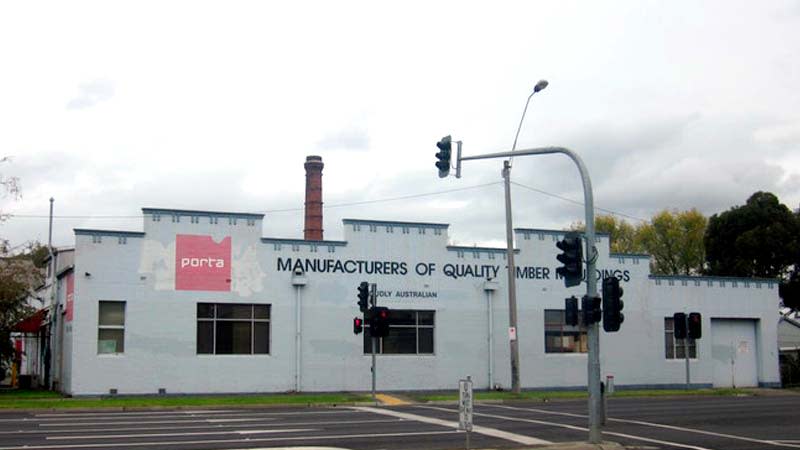
At Fitzroy and Collingwood, building heights will generally range from two to five storeys within heritage areas, while strategic sites such as the former Porta Factory at Alphington will accommodate buildings up to eight storeys.
Around North Richmond Station, developments of up to 10 storeys will be supported, with buildings of up to 12 storeys permitted along major tram corridors including Victoria Parade.
Unlike the broader Train and Tram Zone program, which applies consistent planning controls across activity centres, the inner-city program focuses on targeted upzoning of strategic sites.
The completion of the program means planning controls are now in place across all 50 Train and Tram Zones, as well as the 10 pilot activity centres announced by the state.
According to the government, the combined reforms are intended to unlock capacity for more than 300,000 homes in locations close to public transport, jobs and services by 2051.
Kilkenny said the reforms would open more housing opportunities in well-connected inner-city suburbs.
“For years, some of Melbourne’s best-connected suburbs have been locked up and it’s pushing young people and families out. We’re changing that,” Kilkenny said.
“Our reforms are about making sure more Victorians can live close to great trains, trams, schools and jobs.”
The government said it would continue working with Melbourne and Yarra councils to identify additional strategic sites for future housing growth.





