ConstructionVanessa CrollThu 29 Jan 26
Plan for Whitlam Childhood Home Enters Delivery Phase

Nearly a decade after plans were first lodged, redevelopment of the childhood home of former prime minister Gough Whitlam in Sydney’s north is moving into the delivery phase.
A construction certificate application has been filed for the scheme at 1456 Pacific Highway, Turramurra, about 20km north-west of the Sydney CBD, on a steeply sloping site fronting one of the city’s busiest arterial roads.
The project would deliver 37 apartments across a four-to-five-storey residential building, supported by basement parking for 63 cars.
Vehicle access has shaped the design and the approval timeline.
Under the approved layout (pictured top), cars would enter from Finlay Road via the basement of the adjoining site at 1458 Pacific Highway.
This removes the need for any new driveway on to Pacific Highway and replaces earlier proposals for direct arterial access and slip-lane changes.
The site drew wider public attention in 2019 amid a heritage debate over plans to demolish the house Whitlam lived in as a child.
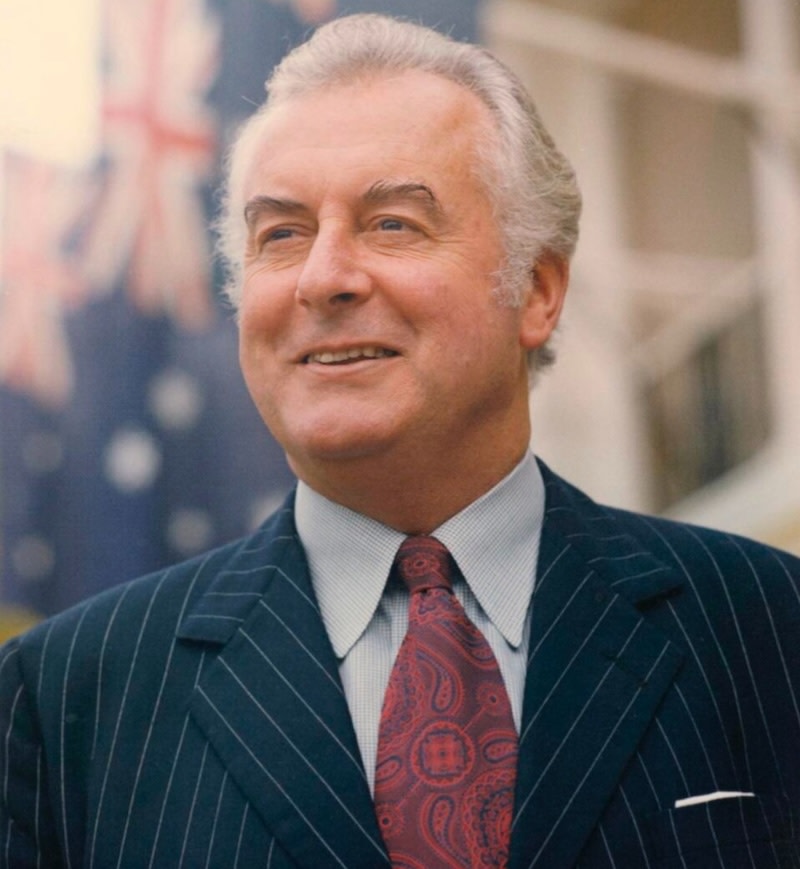
Whitlam served as Australia’s prime minister from December 1972 to November 1975 and died in October 2014.
His reformist Labor government was sacked by governor‑general John Kerr in an unprecedented constitutional crisis.
Opposition leader Malcolm Fraser was appointed caretaker PM and his Liberal–National coalition won the subsequent federal election.
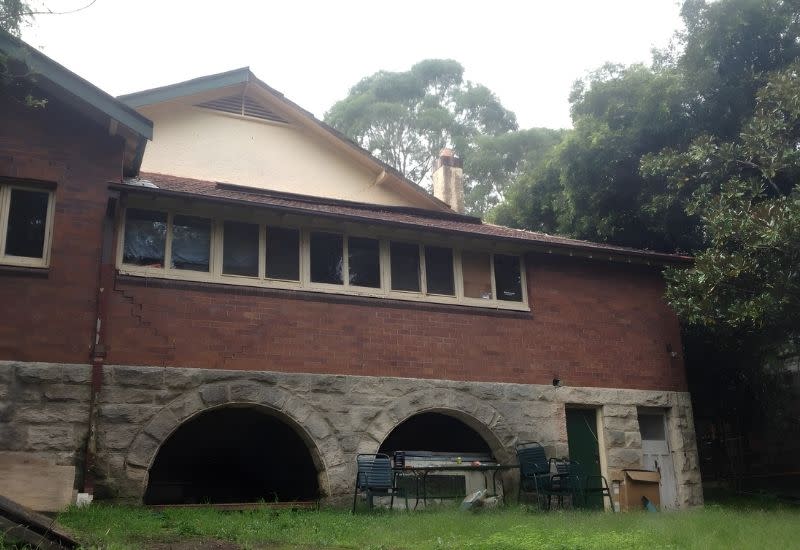
Built in 1921 by Whitlam’s parents after the family moved to Sydney’s Upper North Shore, the original home formed part of an established lowrise residential strip along Pacific Highway.
While the property carried no local or state heritage listing, its association with a former prime minister intensified scrutiny once redevelopment plans emerged.
The Ku-ring-gai Council initially opposed the proposal, raising concerns over building scale and, in particular, the safety and feasibility of vehicle access directly from Pacific Highway.
Despite zoning permitting higher-density housing on the site, those access issues proved difficult to resolve through council assessment and became the primary barrier to approval.
The project progressed to the Land and Environment Court, which approved the scheme in 2020 under a deferred commencement consent.
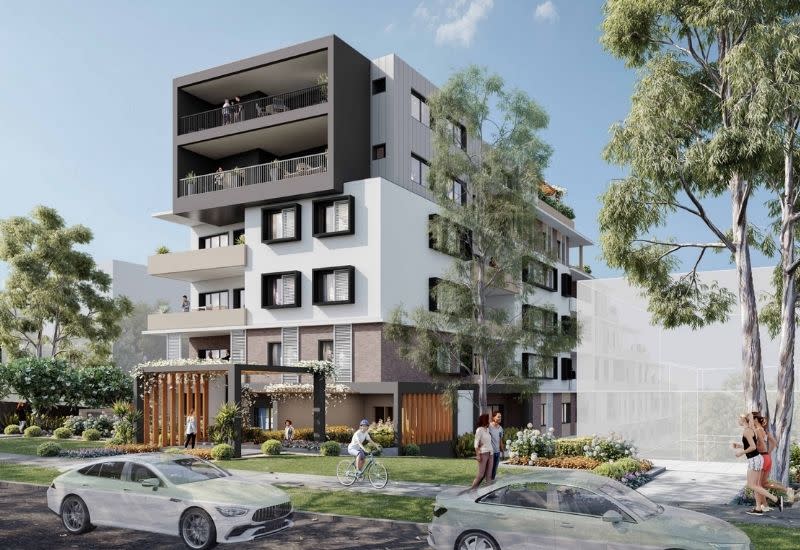
The court accepted a building form stepping with the site’s slope, including a rear height exceedance absorbed by the landfall, but required further work to resolve access, servicing and basement design before construction could begin.
Meeting those requirements extended the delivery timeline by several years.
The consent became operational only in May 2023, after technical conditions were satisfied and a revised access solution secured.
Changes approved in early 2024 formalised the shift from highway access and increased the apartment yield from 36 to 37.
Designed by Mackenzie Architects International, the approved building now relies on Finlay Road access through the neighbouring basement, removing the project’s most contested element.
With the construction certificate process now under way, the project can proceed in stages once certification is granted.