

Sponsored ContentPartner ContentWed 01 Apr 26
Designing Story into Space: Inside 25hours Hotel Olympia

Sydney’s 25hours Hotel Olympia has opened at Paddington, converting the heritage-listed former West Olympia Theatre into a 109-room lifestyle hotel with a rooftop bar, restaurants and entertainment spaces.
Central Element developed the project alongside builder Richard Crookes Constructions and hotel operator Accor’s Ennismore brand, with interior design of guestroom and public areas led by Shelley Indyk of Indyk Architects and F&B interior design by Woods Bagot.
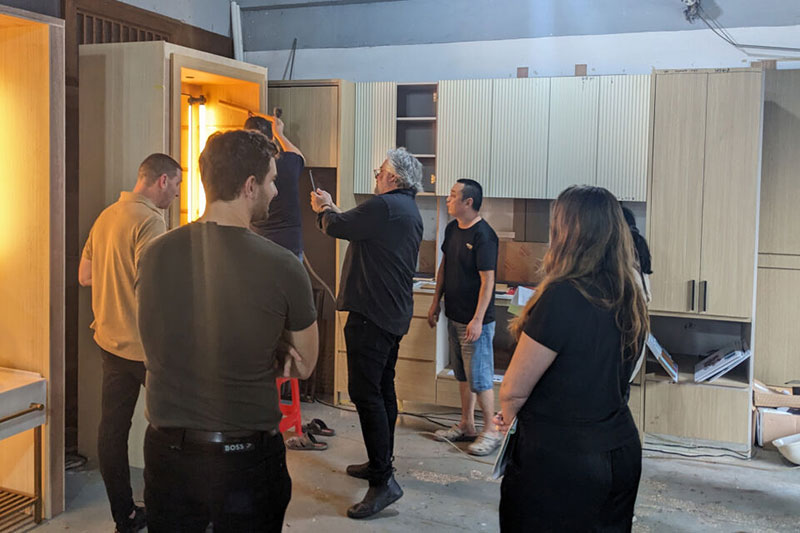
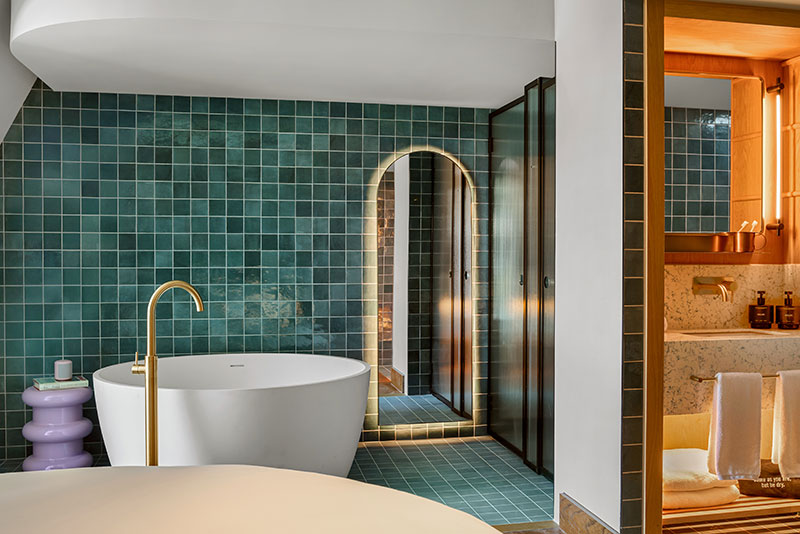
Specialist furniture and joinery manufacturer Furn-Niche was engaged to manufacture and install the fit-out across all 109 guestrooms, working directly with the design team to ensure the concept survived the transition from drawing board to delivery.
Narrative design underpins the concept, with Indyk approaching the hotel interiors as an exercise in what she describes as “narrative architecture”—embedding story, heritage and character into the spatial experience of the building.
Rather than treating the interior as a conventional hotel fit-out, the design draws on this history and cultural context of the original structure to create something closer to an immersive environment than a standard branded accommodation product.
“The design thinking for the hotel is part mystery, part curiosity and part love of the connections between design and place,” Indyk said.
“The original building and its history were incredibly important. From there we built a narrative guests can discover as they move through the space.”
Arrival is one of the most distinctive expressions of that concept.
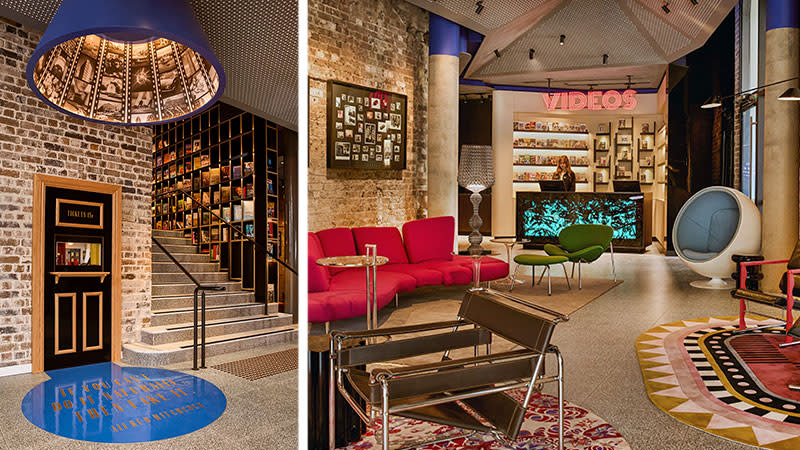
The lobby traces the evolution of the moving image, from the building’s origins as a theatre through black-and-white cinema, auteur directors, photography and VHS culture to contemporary digital references.
The reception desk, its glass front filled with real film reel, is part of that narrative. Artworks, graphics, lighting and curated objects function as storytelling devices, making the interior experiential rather than purely aesthetic.
“It’s about creating an experiential environment rather than simply a decorative one,” Indyk said. “The hotel is intended to feel cinematic, where guests uncover different references as they move through the building.”
1 of 2
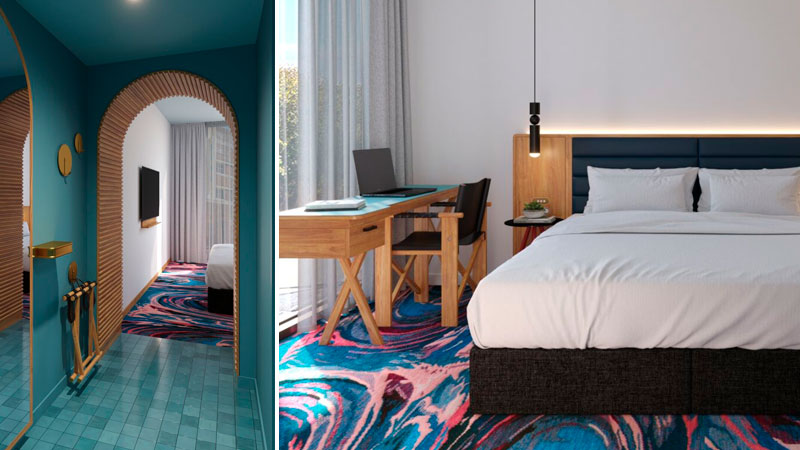
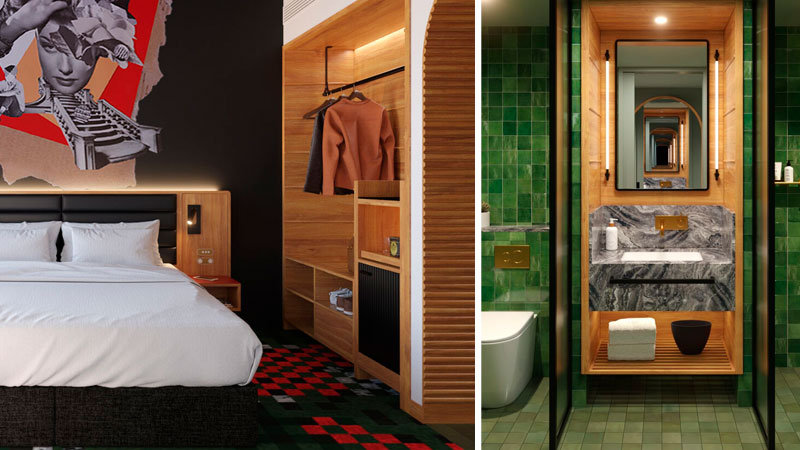
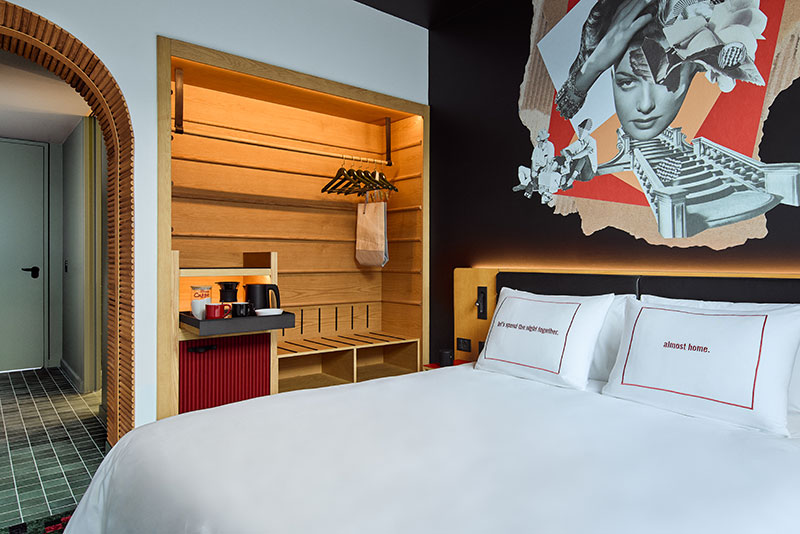
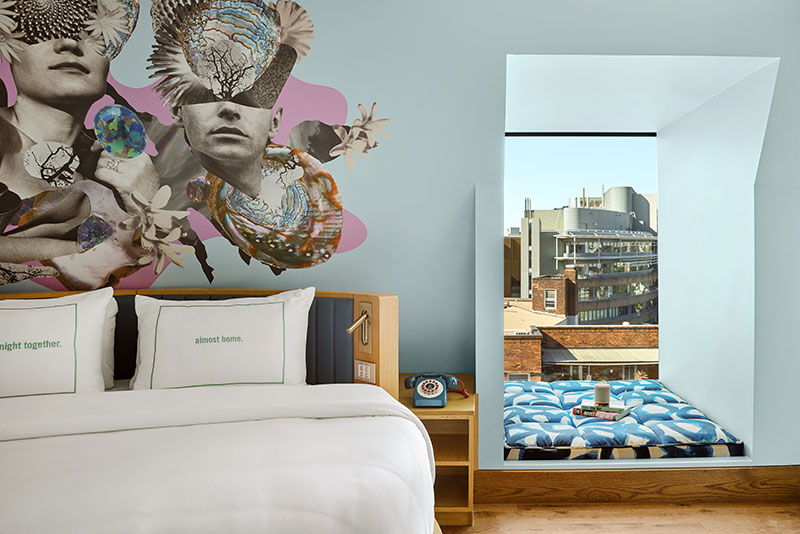
That concept extends into the guestrooms, which are divided into two character-driven archetypes—the ‘Dreamer’ and the ‘Renegade’—each expressed through different colour palettes, furniture selections and spatial moods.
Standardised room typologies (pictured above) are replaced by distinct personalities, allowing guests to choose how they engage with the space.
“Guests are meant to align with an identity, not just occupy a room,” Indyk explains.
Delivering that design intent at scale required close collaboration between the architects and specialist furniture and joinery manufacturers.
That relationship began well before the design phase.
Furn-Niche design director Dennis Arnold worked with the development team through an extended tendering period with Central Element before the project reached Richard Crookes Constructions.
It was a year of groundwork that shaped how Furn-Niche understood the brief before manufacturing began.
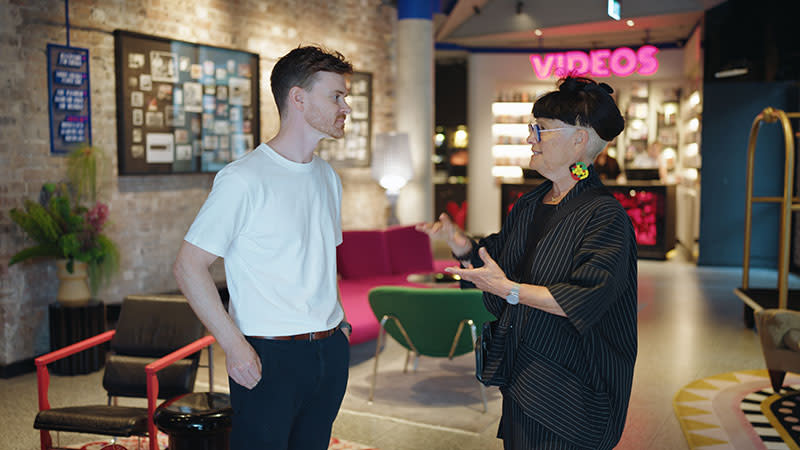
Working directly with Indyk Architects, Furn-Niche senior industrial designer Josh Abel then translated the design into manufacturable components without compromising the character of the original concept.
“Shelley’s vision is incredibly detailed,” Abel said. “Our role is to engineer that vision into something that can be built and installed within the realities of cost, durability and program while staying true to the design.”
Arnold’s involvement from the outset—before the design was fully resolved—meant that feasibility questions were addressed alongside creative ones rather than against them.
“When you’re in early enough, you’re part of the solution,” Arnold said. “When you arrive late, you’re the reason the design gets watered down.”
For Indyk, that working relationship defined what the project became.
“Design doesn’t exist in isolation,” she said. “Working with people who genuinely understand the importance of the details and who are invested in protecting them makes all the difference between a concept that survives delivery and one that doesn’t.”
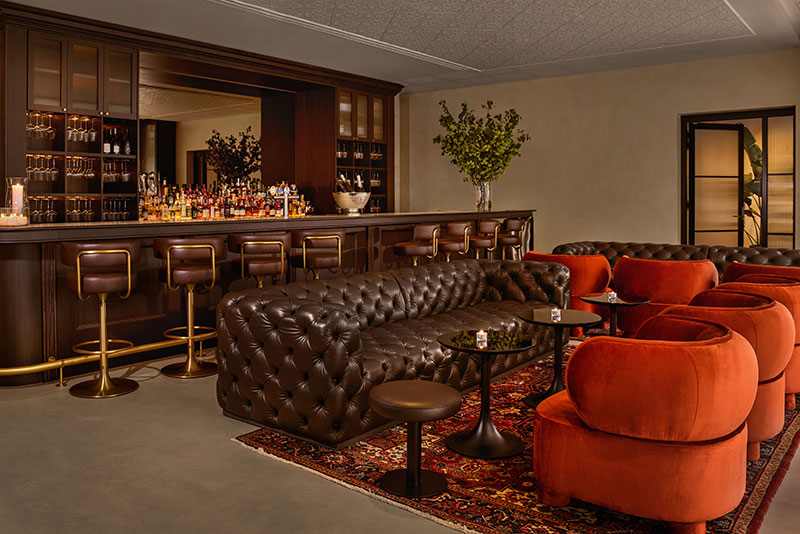
1 of 5
For developers, the lesson from projects such as 25hours Olympia is a practical one: treating joinery and furniture as a late-stage procurement decision rather than an early design conversation is a risk to the asset itself.
When the manufacturer understands the intent from the start, the finished interior can do what the design brief promised—and guests can feel it.
“It’s about creating spaces that people remember,” Indyk said. “Not just because they look beautiful, but because they make you feel something memorable.”
The Urban Developer is proud to partner with Furn-Niche to deliver this article to you. In doing so, we can continue to publish our daily news, information, insights and opinion to you, our valued readers.





