

InfrastructureLindsay SaundersTue 16 Jun 26
No Good News for Construction: Cost Rises Forecast into 2028

Australian construction costs are expected to remain elevated over the next three years, with new analysis pointing to sustained inflationary pressure across both building and infrastructure sectors signs of easing in some markets.
According to the latest WT Australian Construction Market Conditions Report, national business-as-usual (BAU) escalation is forecast at 5.5 per cent for building and 5.1 per cent for infrastructure in 2026. The report highlights that while headline pressures remain significant, cost drivers are increasingly uneven across sectors and geographies.
The twice-yearly report has introduced a methodological shift in its latest edition, separating BAU escalation from the direct cost impacts of the Middle East conflict that escalated in early 2026.
WT said the change is intended to provide a clearer baseline for industry decision-making by isolating structural cost pressures from external shocks.
WT construction economist Damon Roast said combining conflict-related impacts with underlying escalation risked distorting the true cost environment.
“The direct impacts on construction costs have been significant in some areas, particularly for infrastructure projects with heavy reliance on oil products,” Roast said.
“But for many building project types, the affected materials represent a relatively small proportion of overall costs, and alternative sourcing is helping to moderate price pressures.”
He said the revised approach better reflects the diversity of cost exposure across project types and supports more accurate risk assessment.
Despite the methodological separation, the report notes that underlying cost pressures remain firmly elevated. BAU escalation includes standard market drivers such as labour conditions, Enterprise Bargaining Agreements, and indirect effects from global instability, including supply chain disruption and workforce impacts.
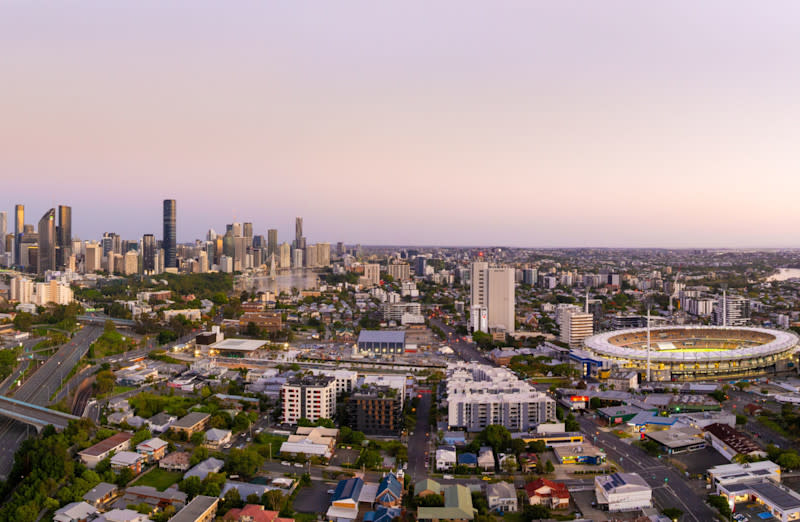
Regionally, Brisbane remains the most pressured market, with BAU building escalation forecast at 6.5 per cent in 2026, rising sharply to 10 per cent by 2028 as Olympics-related activity intensifies.
The Sunshine Coast and Gold Coast also rank among the highest-growth markets.
Perth is expected to record strong growth at 6.7 per cent in 2026, supported by resources activity and population growth, while Sydney and Melbourne are forecast to ease to 4.8 per cent.
WT also outlined multiple economic scenarios linked to the Middle East conflict, with a base case anticipating a resolution by mid-July and supply conditions normalising by early 2027.
However, a delayed resolution could extend supply disruptions and increase the risk of recession despite potential policy support.
WT national director James Ford said the environment requires disciplined cost planning.
“Clients and project teams need clear, reliable information to make sound decisions, not headline numbers that conflate fundamentally different cost pressures,” he said.





