
InfrastructureClare BurnettThu 04 Dec 25
Victoria Scraps ‘Outdated’ Car Space Rules for New Projects

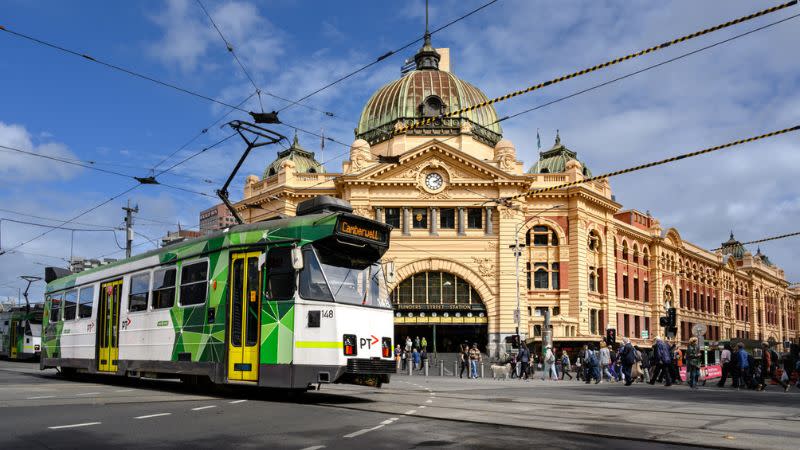
Homes built near public transport in Victoria will no longer need to include the same number of car parks as other residential projects under planning reforms.
Apartments in areas across the state considered to be serviced by high-frequency public transport will no longer have a minimum parking requirement.
A maximum of two spaces per apartment is also part of the reforms. Should more car spaces be needed, a planning permit will be required.
Developments a “medium distance” from transport areas must still include at least one car park per unit, with no set maximum.
For those areas further away, parking spaces per home will be allocated at 1.2 spaces minimum and no maximum.
Requirements for accessible car parking spaces will not change.
The categorisation of areas was developed by transport planning overlays which score the area on walkability, type of public transport, routes and timetabling data.
The Victorian Government said the current rules were introduced during the 1970s when public transport use was low and the prevailing attitude was that every household needed car spaces.
It said that up to 40 per cent of residential car parks in inner Melbourne were empty and that it cost developers $70,000 per home to provide parking under current requirements.
Th reforms bring the city’s rules in line with many other major metropolitan centres across the world including London, where 62 per cent of new developments approved last year with 10 or more homes had no car parking at all, according to construction data company Glenigan.
The move was largely welcomed by the industry. Ratio Consultants associate Ben Thomson said it indicated a wider move by authorities in considering alternative transport options in planning, which may help affordability.
“These changes will push developers to reassess parking needs based on their target market,” Thomson said.
“Where parking isn’t essential, providing less will improve feasibilities and free up savings to lower prices and lift build quality.
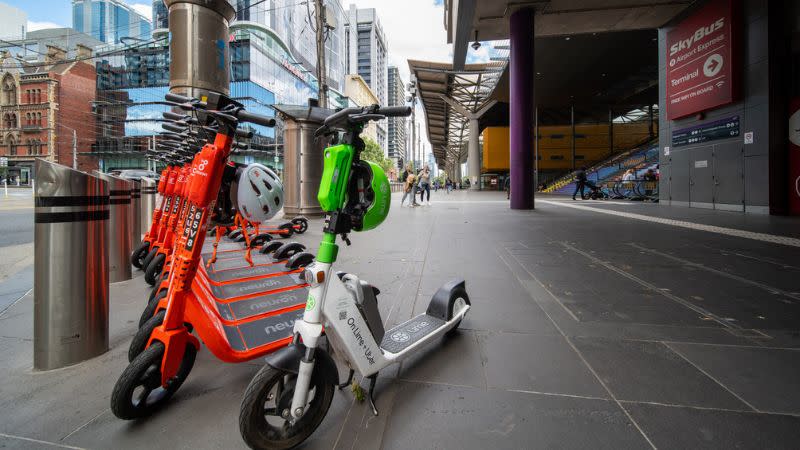
“It should also boost demand for alternatives like car share, e-bike facilities and end-of-trip amenities, ensuring buyers and tenants still have a broad range of mobility choices.”
The Planning Institute of Australia manager for Victoria Carmel McCormack said the move would encourage more sustainable, transit-oriented communities.
“Flexible planning ensures new housing can adapt to evolving mobility needs—such as car‑sharing, electric vehicles, cycling and improved public transport—rather than being locked into outdated requirements of the past,” McCormack said.
However, another measure announced this week was not so warmly welcomed.
The Victorian Government revealed it had expanded its simple infrastructure contributions system to more Train and Tram Zone Activity Centres in Melbourne.
This will roll out the system to an additional 50 centres.
Under the program, developers contribute a share of the cost of new homes to help fund the infrastructure required for the area.
If a Developer Contribution Plan is already in place, the amount developers will contribute through the new program will be reduced.
Infrastructure contributions will be set at $11,350 per home built on new sites.
By 2051, this program is expected to provide more than $4 billion worth of infrastructure across these centres, the government said.

The Property Council of Australia Victorian executive director Cathy Evans said that any reforms to infrastructure contributions should be accompanied by meaningful tax relief.
“The sector has been clear that adding costs in areas that have never had infrastructure contributions applied to them before will slow down projects, not enable them,” Evans said.
“The government is calling for more density in well-located areas, yet this policy makes achieving that density even more difficult.
“Project viability is already strained, and positive planning reforms alone cannot overcome outdated tax settings and increased charges.”
The pilot for the program was introduced in 2024, and due to start in January 2027 across 10 centres including Camberwell and Frankston.
Now, the expanded 50 activity centres will be included in the program from July 2027.