

OfficeLindsay SaundersTue 13 Oct 26
National Office Market Tightens as a Bigger Supply Squeeze Looms

Australia’s CBD office vacancy rate fell to 14.8 per cent in the September quarter as four of six major markets recorded positive net absorption, led by a Melbourne rebound and continued demand in Sydney.
According to JLL research, the national vacancy rate declined 0.5 percentage points from 15.3 per cent in the June quarter, with Melbourne recording the strongest net absorption result at 48,000sq m.
The result reversed two consecutive quarters of negative net absorption in the Melbourne CBD, where vacancy fell from 20.5 per cent to 19.4 per cent.
Sydney extended its run of positive net absorption to 11 consecutive quarters, recording 17,900sq m in the September quarter. Vacancy fell to 13.6 per cent, its lowest level since the September quarter of 2022.
JLL head of research for Australasia Andrew Ballantyne said businesses continued to make long-term property decisions despite patchy confidence and an uncertain economic environment.
“High-quality office space provides a physical environment to shape culture and support innovation and productivity initiatives,” he said.
Sydney’s demand was concentrated in premium buildings, with prime-grade offices recording 71,200sq m of net absorption in the 12 months to September, compared with 6500sq m for secondary assets.
The limited availability of large, contiguous prime-grade spaces is supporting rental growth, with Sydney CBD prime gross effective rents increasing 8.3 per cent over the year.
JLL head of office leasing for Australia James Montague said the trend was consistent with other major global office markets, where high-quality buildings were achieving benchmark rents.
Outside the CBD, North Sydney recorded 8600sq m of positive net absorption in the September quarter, while Parramatta recorded 5300sq m and Macquarie Park 5200sq m.
Adelaide also recorded its 11th consecutive quarter of positive net absorption, with 14,700sq m absorbed and vacancy falling to 13.6 per cent.
Demand was concentrated in prime-grade offices, which recorded 11,200sq m of net absorption. Prime gross effective rents rose 1.3 per cent over the quarter and 4.1 per cent over the year.
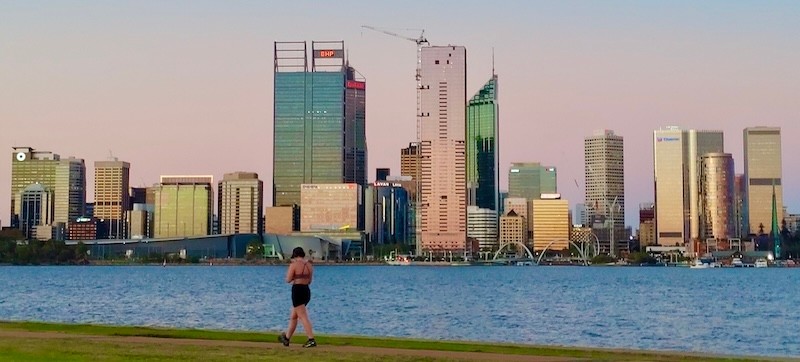
Perth recorded 11,300sq m of positive net absorption, taking vacancy down from 16 per cent to 15.4 per cent. JLL attributed the result partly to a major utilities provider centralising 20,000sq m of operations in the CBD, alongside expansion in professional services and public administration.
Brisbane was the weakest-performing CBD market in the quarter, recording negative net absorption of 28,400sq m after a large tenant consolidation released surplus space.
However, net absorption remained positive over the 12 months to September, at 14,700sq m. Prime gross effective rents rose 11.8 per cent year-on-year and have increased 46.5 per cent since September 2022.
Canberra also recorded negative net absorption, at 5200sq m, while vacancy increased to 10.7 per cent. The contraction was concentrated among smaller tenants, with recent consolidations and higher fit-out costs contributing to market uncertainty.
Looking ahead, JLL expects national headcount growth to remain flat in the short term, with expansion likely to come from the digital economy.
Ballantyne said rising input costs and more expensive debt had made new office development more challenging.
Montague said Australia was moving towards a low-supply period between 2029 and 2031, which could leave tenants with limited options when leases expire.
“Organisations with upcoming lease expiry will need to be decisive in their decision-making process or risk losing out on their favoured options,” he said.