

ConstructionTaryn ParisWed 03 Dec 25
Modular Momentum Taking Build-to-Rent to New Heights

“We’re not just preserving land value, we’re preserving flexibility.”
Modular manufacturing and AI-assisted design are leading a quiet revolution that is reshaping how living sector developers conceive, deliver and operate assets.
And as Freecity executive director of development Michael Romano points out, it’s also disrupting the land use dynamic.
Speaking at the recent MaxCap leaders’ lunch focused on the build-to-rent and alternative living sectors, Romano said the developer was “not just a builder—we’re using modular manufacturing delivery to raise the bar on speed, quality and certainty”.
For decades, property has remained one of the few big industries that still builds almost entirely manually.
Escalating costs and tightening building capacity is leading developers to take a cue from manufacturing — standardising design, automating production, and moving construction offsite.
Romano said Freecity is using Volumetric Modular Construction (VMC) to manufacture apartments offsite as a way to mitigate the challenges experienced in normal construction practices in Australia.
Each module is delivered as a complete, self-contained unit with finishes, wiring and plumbing installed, and connects onsite with millimetre precision, improving quality and delivery speed while reducing waste and weather exposure.
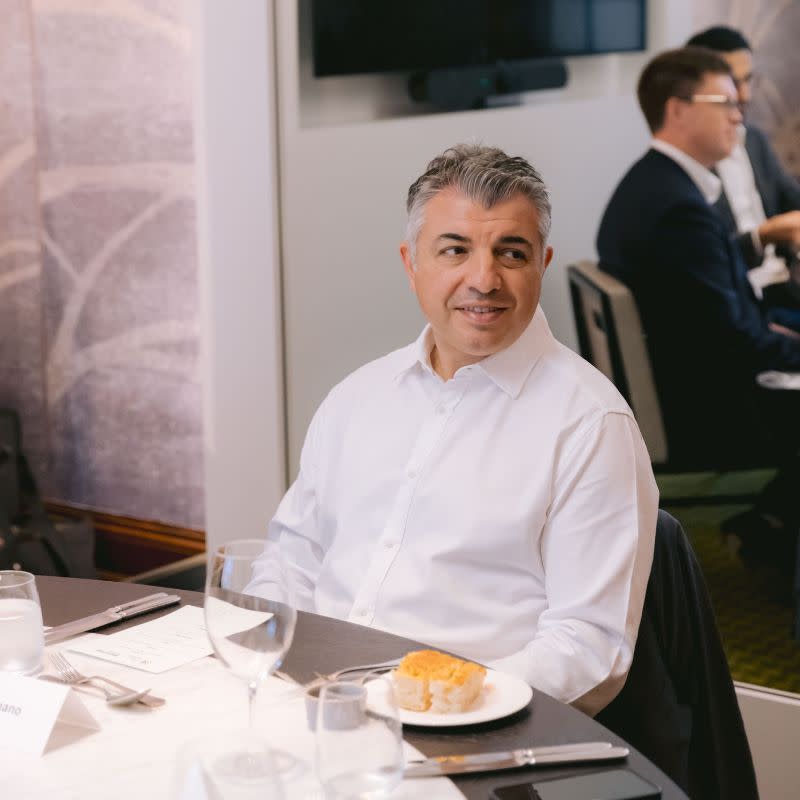
“We’re assembling buildings onsite,” Romano said.
“We design in a way that we can disassemble them, too. That means we’re not just preserving land value, we’re preserving flexibility.”
This manufacturing mindset, long established in Japan and the UK, is beginning to take root in Australia as part of the next evolution of housing delivery.
Modular momentum
Modular and prefabricated techniques have been discussed for years, but until recently, struggled to achieve scale in Australia due to a lack of capacity and capability.
Unlike Europe or Asia, Australia’s modular ecosystem is still emerging.
Developers have turned to offshore production, partnering with established factories in regions where costs and capabilities are more achievable.
“Right now, we don’t have the scale or the industry capability to deliver volumetric modular construction locally at the rate needed to support Australia’s urgent housing demand,” Romano said.
“These modules are highly engineered steel chassis built with precision. You need the right expertise and facilities—and that still means going offshore.”
The ambition, however, is to bring manufacturing back home.
“One of the reasons that modular can work for build-to-rent is that there are relaxations with the apartment design guidelines,” he said.
“We have also established an Innovation Hub which shares our learnings on the role Volumetric Modular Construction can play to support faster housing delivery and lift quality across the industry.
“Now is the ideal time to innovate because the need for housing is so immediate. The State Government is also pulling a range of levers to unlock supply, and it has shown strong leadership on planning reform this year. We’ve never had this level of engagement with government given our interests align on delivering high-quality supply.”
The capital profile of VMC is also quite different to the traditional construction process.
“The cashflow is interesting because it’s mostly front-loaded, given both onsite and offsite works are occurring simultaneously,” he says.
“The added benefit of a manufacturing style process is that you can track progress in real time, that level of visibility gives all stakeholders real confidence of quality assurance and delivery certainty.”
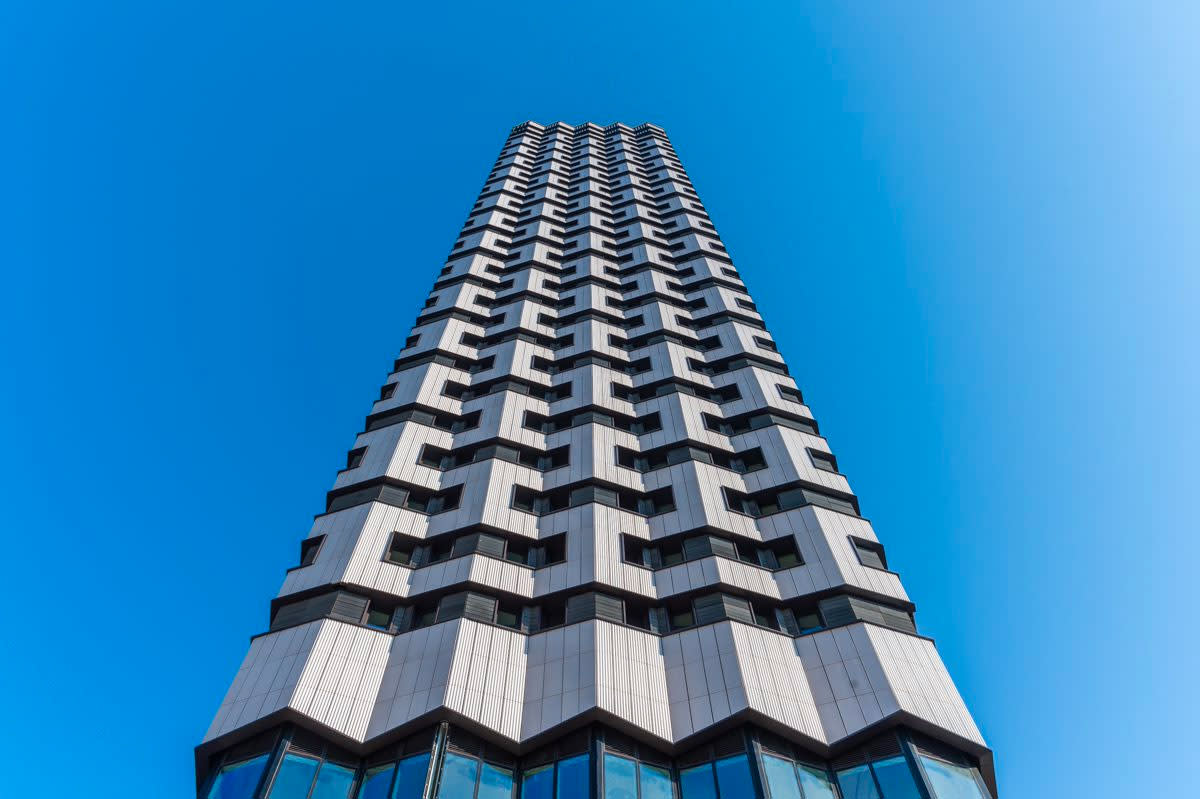
Romano said Freecity had been looking at major modular projects in the UK, where developers have successfully delivered some of the tallest residential buildings in the world in Volumetric Modular Construction, up to 50 storeys—showing the maturity of that market.
One Tide Construction project at East Croydon train station in south London comprises a 50-storey build-to-rent tower with 817 apartments, and a 35-storey affordable apartment tower of 120 apartments.
Designing with data—and AI
While modular construction tackles how we build, AI is reshaping what we build—and for whom.
Developers are now using artificial intelligence to test design concepts, map tenant preferences, and optimise product-market fit in real time.
Romano said Freecity had used AI-powered surveys to collect input from more than 1200 potential residents at Parramatta, feeding the results into a learning model that produced a complete design brief in minutes.
“It’s probably the most accurate credibility you can get to inform the product design, outside of the building being built and stabilised.”

AI folded into design feedback
AI tools are also being used to analyse leasing data, forecast operational costs, and model different scenarios for build-to-rent and co-living products.
The technology doesn’t replace human design or judgment—but it radically compresses the feedback loop between developer and customer.
“The smarts come from asking the right questions,” Romano says.
“AI gives you answers instantly—but you still need to know what you’re asking.”
Technology is also at the forefront of operational assets.
Build-to-rent tenants are using apps to streamline their living experience in the vertical communities.
Pro-Invest Group director of portfolio management and transactions Brian O’Driscoll says technology is now a core part of how they design and operate assets.
“Technology is becoming central to operational efficiency and data-driven decision-making, while also elevating how operators engage with guests and residents,” O’Driscoll said.
Pro-invest Group is in acquisition mode looking for sites for its flex living product, a co-living brand, as well as build-to-rent opportunities.
Housing shortfall will require solutions
Speeding up delivery will be key to digesting the volume of work required to meet housing shortfalls in Australia, according to MaxCap head of research Bruce Wan.
“Our biggest concern economically [in Australia] is a lack of affordable housing,” Wan said.
“We need 170,000 dwellings each year just to keep up with [migration]. We’re not building enough. When you net off demolitions we’re really only building about 153,000 per year.
“We’re about 20,000 short in dwellings just for this year. We are looking at a persistent shortfall that we won’t be meeting for the next couple of years.
“We need both build to sell and build to rent to get there ... we all have a vital role to play in this housing shortfall.”
Construction cost was also a key consideration in the build-to-rent building equation.
“That’s the biggest challenge we’re facing whether it’s build-to-rent or build-to-sell,” MaxCap NSW investment director Adam Matkovich said.
“Builders are having many challenges as well and it’s unequitable to lump all the risk on them,” he said.

“There’s just not that many builders who do class two projects in Sydney anymore.
“And now smaller contractors are taking on larger projects and they just don’t have balance sheet capabilities to match what they’re doing. It does take a fair bit of consideration.”
While Freecity is leading the charge on living sector volumetric modular construction, it is clear there is a way to go on its adoption in Australia.





