

ResidentialLindsay SaundersWed 26 Aug 26
Melbourne Development Site Activity Builds as Planning Rules Shift

Melbourne’s development site market recorded $816 million in transactions during the first half of 2026 as planning reforms help drive renewed demand for higher-density opportunities.
There were 66 development site transactions across Melbourne’s CBD and metropolitan markets during the six months to June, with apartment sites accounting for $492 million of the total, according to Stonebridge Property Group’s latest Melbourne CBD & Metropolitan Development Sites Market Update.
The latest activity comes as developers and investors respond to the rollout of Stage 1 and Stage 2 Activity Centres and Suburban Rail Loop precinct rezonings, which have increased development potential across parts of metropolitan Melbourne.
Stonebridge said the market remained active despite elevated construction costs, taxation changes and a subdued residential cycle.
The agency said the planning reforms were becoming an increasingly important driver of buyer activity, particularly in Melbourne’s premium inner south-east.
Stonebridge national partner Julian White said buyers were increasingly targeting locations where planning changes could support greater development density.
“Melbourne’s planning landscape is changing rapidly, with buyers increasingly targeting the new Activity Centres where planning reforms unlock significantly greater development density,” White said.
The reforms have opened opportunities for sites that previously supported lower-density development, with some locations now capable of accommodating buildings of up to six storeys.
Apartment development sites remained the largest component of market activity, accounting for about $492 million of transactions during the first half.
Demand was concentrated in blue-chip suburbs, where stronger apartment end values can provide greater certainty around project feasibility and help offset higher construction costs.
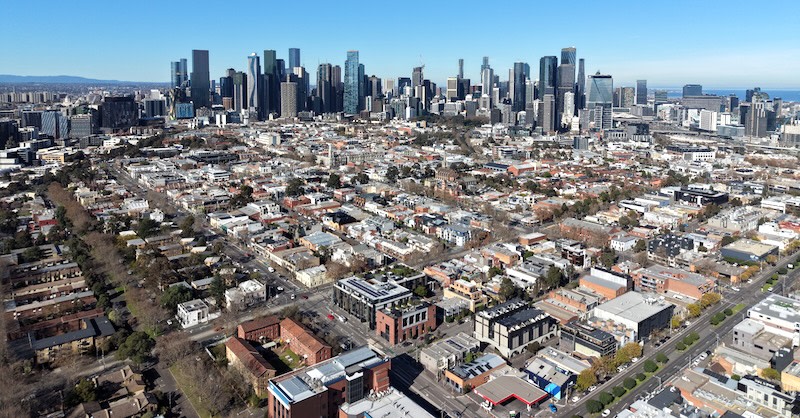
Stonnington recorded the highest transaction value among Melbourne municipalities.
White said three themes were driving buyer demand: premium suburban apartment sites, large-scale townhouse opportunities and CBD and high-density sites targeted by institutional investors.
Premium apartment sites were attracting developers because stronger end values could help projects absorb elevated construction costs, while large townhouse sites were benefiting from demand from first home buyers and investors.
Institutional capital has also become an increasingly active buyer of CBD and high-density development sites as groups expand their build-to-rent and broader living-sector strategies.
Off-market transactions accounted for 34 per cent of deals during the first half, while interstate and offshore-backed groups increased their participation, including buyers from NSW, Queensland, Singapore and Malaysia.
Large-scale infill townhouse opportunities remained scarce.
The market is also being supported by Melbourne’s long-term population outlook, with Victoria forecast to add about 1.26 million residents between 2021 and 2031.
Stonebridge said the combination of planning reform, population growth and housing undersupply was creating new opportunities for development despite continued pressure on construction costs and residential feasibility.





