
CommercialTaryn ParisTue 28 Jul 26
Melbourne Developers Reimagine Workplace for ‘Dark Office’ Era

As Melbourne’s office market slowly regains its footing, despite mandated work-from-home days, developers say the biggest transformation isn’t happening in vacancy rates—it’s in what an office is designed to do.
For years, the conversation around office has centred on one question: who is coming back?
But according to some of Melbourne’s leading developers, the more important question is what today’s office will look like in five years.
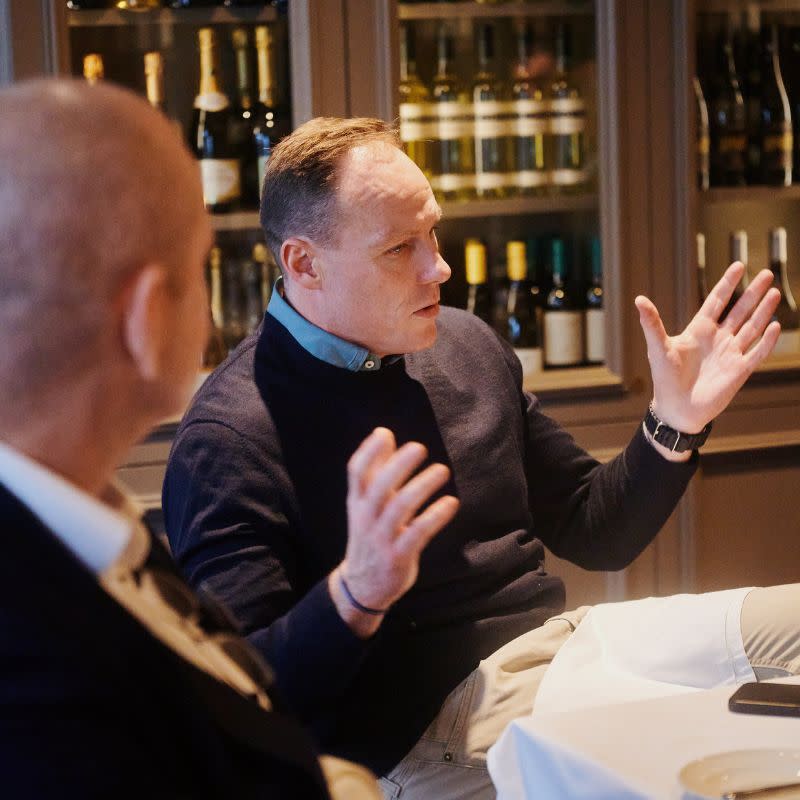
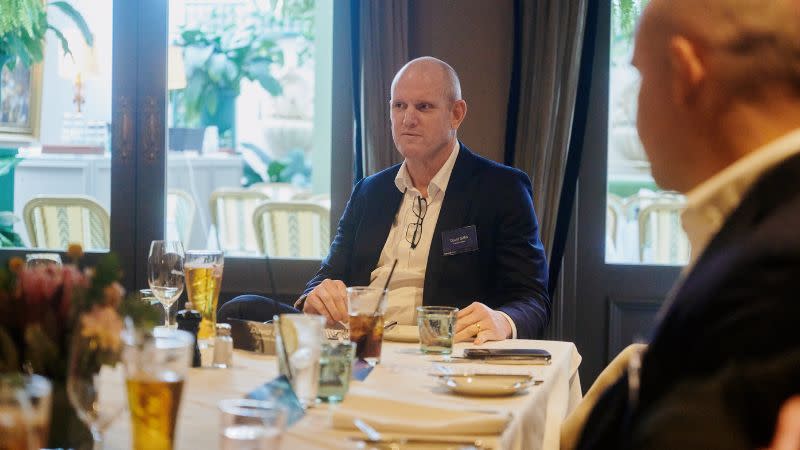
At a Melbourne industry roundtable hosted by Centuria Bass and The Urban Developer, developers described a market where premium office assets are outperforming expectations, fringe locations are proving surprisingly resilient, and artificial intelligence is already reshaping the design of new workplaces.
For those delivering new office projects, the narrative is no longer about whether office is dead.
It’s about building offices that people actually want to spend time in—and preparing for a future where many workers may not be human at all.
Quality continues to outperform
Despite the broader challenges facing the office sector, developers said well-located, highly amenitised buildings continued to attract strong demand, particularly in Melbourne’s city fringe.
While leasing incentives remain elevated across much of Melbourne’s office market, particularly the CBD where it is at about 47 per cent, participants noted premium buildings were increasingly bucking that trend at about 25 per cent.
In some cases, developers said they had secured tenants without offering any incentives.
The message was clear: the flight to quality continues.
It’s something Goldfields chief executive Lachlan Thompson agrees with. Goldfields House on Chapel Street is also well leased, with like-minded businesses seeking city-fringe office space.
The office as a destination
Rather than competing with home, developers increasingly see their role as creating workplaces that offer experiences unavailable elsewhere.
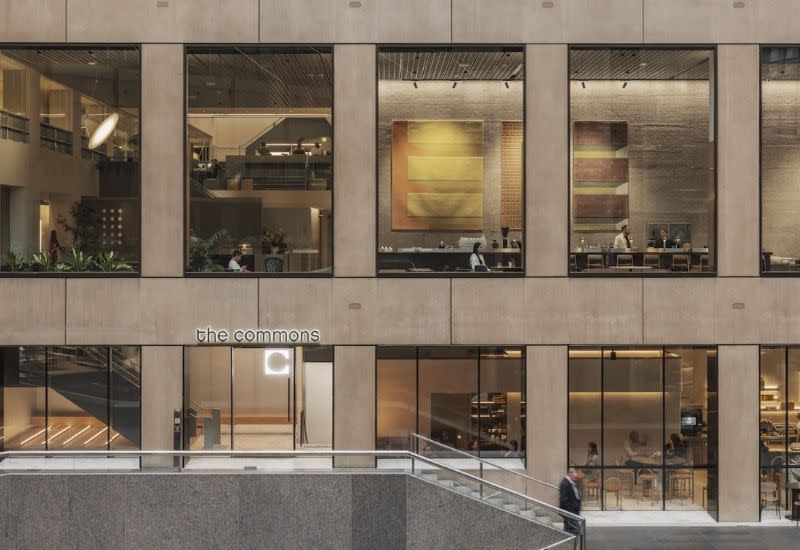
Goldfields House features a rooftop bar and restaurant, Beverley, and ground-floor restaurants and amenities.
Hospitality-inspired design, wellness facilities, and premium amenities are no longer optional extras but are central to leasing success.
Centuria Bass executive director of origination, Nick Reardon, said he recently toured a completed office building at Cremorne, where communal spaces were filled with workers collaborating throughout the day.
“[The] facilities… they were buzzing with people … in their mid-thirties, and they’re all working together,” Reardon said.
“There was a real atmosphere in there.”
The office, developers argued, is evolving from a place people have to attend into a destination they actively choose.
Designing for artificial intelligence
The design of commercial buildings is also facing the disruption of artificial intelligence, one that developers are preparing for. One such developer said there could be a future of office where entire floors could become dark.
“There are options coming now where we can lease you an entire office floor, and you may not have any staff at their workstations,” the developer said.
“Those advances are already available in some parts of the US. It’s coming here soon.”
The developer said he could envisage workplaces overseen by a handful of people, while AI systems continue to operate after hours.
While the concept sounds futuristic, the technology already exists in parts of the US and is approaching the Australian market.
More importantly, developers are already responding.
The implication extends beyond building services and energy efficiency.
A different office market is emerging
While headlines continue to focus on work-from-home and CBD vacancy, developers around the table painted a more nuanced picture.
Demand hasn’t disappeared; instead, it has become increasingly selective.
Centuria Bass chief executive David Giffin said there was strong appetite for growth in the Melbourne market and plenty of opportunity.
“Melbourne seems more willing to adopt the suburban office location,” Giffin said.
“And as we really look to scale, I think it’s important that we have those strong relationships with developers … they’re working very hard with their teams to make their projects work.
“And I have confidence that the better developers will find a way, get projects to stack up and therefore require funding.”
Occupiers are gravitating towards buildings that combine strong locations with hospitality-level amenity, wellness offerings and flexible spaces designed for collaboration rather than rows of desks.
For developers, that is a challenge and an opportunity.
The next generation of office buildings may look very different from those delivered over the past decade.





