RetailLindsay SaundersThu 05 Nov 26
David Jones Downfall Puts Cloud Over 390,000sq m of Retail Space

David Jones’ collapse into administration has put tens of thousands of square metres of shopping-centre space under a cloud, raising questions for landlords about anchor tenants, rental income and the next use for large-format retail floors.
The 188-year-old department store entered voluntary administration on November 5 after rescue talks with major landlord Scentre Group broke down, with the retailer having failed to pay rent since September.
Its lender, the UK-based Hilco Capital, has also appointed FTI Consulting as receiver to take control of the business as administrators assess its future.
David Jones, with more than 6000 staff, has 38 stores in Australia and New Zealand. It had planned to refocus as a high-end retail and reduce operations to 12 stores.
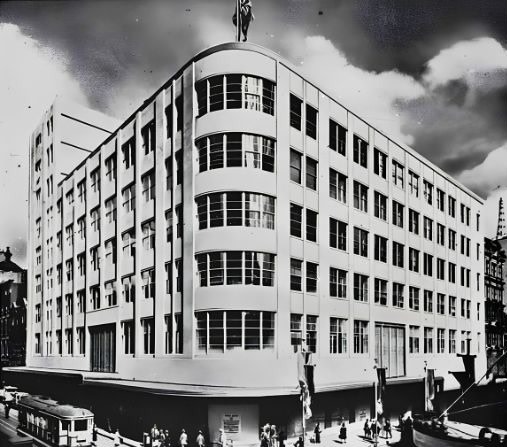
Founded in Sydney in 1838 by Welsh immigrant David Jones, the retailer began as a drapery store on the corner of George and Barrack streets. It became a public company in 1906 and expanded nationally, opening its flagship Elizabeth Street store in 1927.
Woolworths South Africa bought the business in 2014 before selling it to current owners, private equity firm Anchorage Capital Partners, in 2023.
The failure and potential closures create a significant leasing challenge for shopping-centre owners and opportunities for retailers looking to expand.
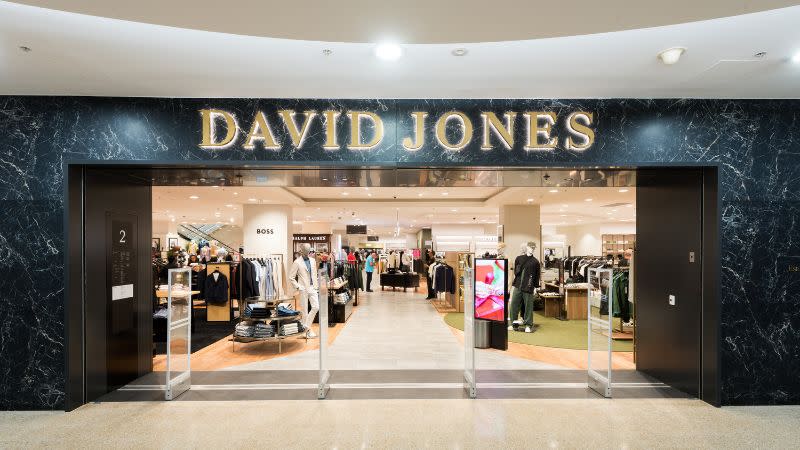
Scentre said this week that David Jones occupied space across 17 Westfield centres for a total of about 200,000 square metres. It is believed the retailers leases about 390,000sq m in total across all of its stores.
Its share of gross rent from those stores was $45 million for calendar 2026, equivalent to $352 per square metre, compared to the group’s portfolio average of $942 per square metre.
The David Jones stores account for about 1.8 per cent of Scentre’s gross rent and 3.6 per cent of its annualised funds from operations, limiting the direct financial exposure while leaving individual centres to contend with the loss of a major tenant.
Scentre also holds about $30 million in bank guarantees against the stores, equivalent to eight months of gross rent, which can be applied to unpaid amounts.
The scale of the space, however, raises a more consequential question for the property sector: what replaces a department store when its traditional role as a shopping-centre anchor is no longer commercially viable.
According to sector sources, department stores occupy large, often multi-level footprints that can be difficult to divide into conventional retail tenancies.
Re-leasing the space may require changes to floorplates, services, access and circulation, while landlords must weigh the cost of refurbishment against the potential return from alternative tenants.
The administration could also accelerate a shift towards more diverse tenant mixes, with fashion, entertainment, food, leisure and other service-based businesses competing for space previously occupied by a single department store.
Scentre has already demonstrated one approach at Westfield Tuggerah on the NSW Central Coast, where it is repurposing former David Jones space for other retailers. JD Sports and Rebel have opened, and Timezone is due to follow in the second quarter of 2027.
The group reported that visitation at the centre had increased 6.2 per cent in the eight weeks after the new retailers opened.
The wider implications extend beyond Westfield. David Jones had been negotiating with multiple landlords to reduce its rent burden and shrink its store network before the rescue talks failed.
Closures will leave other shopping-centre owners facing decisions about rental guarantees, lease restructures and the cost of finding replacement tenants.
The collapse also highlights the risks attached to sale-and-leaseback strategies, in which retailers sell property to raise capital but retain long-term rental obligations.
In 2020, David Jones sold its Sydney CBD Elizabeth Street flagship to a Charter Hall-managed consortium for $510 million under a 20-year leaseback, with initial annual rent of $25.5 million and minimum annual increases of 2.5 per cent.
While such arrangements can release capital for a business, they also convert property ownership into a recurring operating cost. When trading deteriorates, those obligations can become harder to sustain.
For developers and investors, the immediate question is whether David Jones can be restructured around a smaller store network or whether more sites will become available for alternative uses.
The outcome will depend on the viability of individual locations, lease terms and the ability of landlords to turn large retail spaces into productive assets.
With administrators and receivers now in control, the fate of the stores will be determined not only by the retailer’s prospects but by the value of the real estate it leaves behind.