
Data CentresPatrick LauFri 28 Aug 26
Data Centre Renewable Rules Face Fresh State-Federal Clash

Legislation to enable a national regulatory framework for data centre development may not include a mandate for renewable energy after pushback from the Queensland and Northern Territory governments.
At a meeting of National Cabinet held in Sydney on August 26, Prime Minister Anthony Albanese and state and territory premiers discussed the formulation of the laws, which are to be introduced by early 2027.
Commonwealth energy minister Chris Bowen later clarified that renewables may be backed up by gas-powered “firming” generators, in lieu of batteries, and that state-owned fossil generators may also apply to provide the primary source of electricity.
Speaking to the media immediately after the meeting, Albanese said that he understood “that different states have different issues, but we know that the priority is keeping our energy costs low”.
“There’s agreement across the board from all jurisdictions that we need to ensure that that social licence [to develop data centres] has occurred,” Albanese said.
“Queensland and NT are in different positions from other states. In Queensland, you have public ownership of power generation, transmission, and distribution. So, if there is surplus, then that, of course, could be available.”
On Friday, August 28, Bowen clarified to media that data centres would require “100 per cent renewables backed by firming”. That firming could take the form of batteries or gas-fired power, Bowen said.
Applications to the Australian Energy Regulator would also be considered for exemptions from the framework, Bowen said, which must make their case based on cheaper electricity prices for the data centre and grid customers at large.
When announcing the new framework for data centres and AI in July, the Commonwealth had emphasised that developers would be expected to underwrite new power supply and pay costs for infrastructure connections.
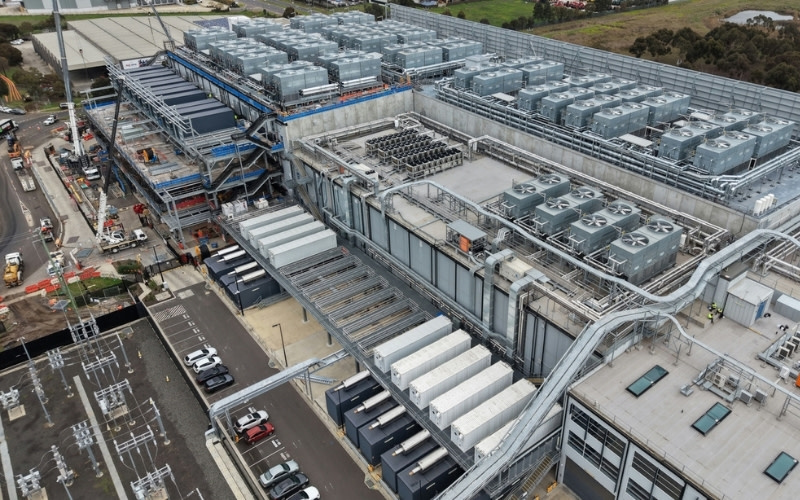
Industry stakeholders had anticipated that renewables would be preferenced or mandated ahead of fossil fuel power generation sources, but the Queensland and NT governments had pushed back on those suggestions. An earlier Commonwealth position paper in March had been explicit that data centres should support the energy transition.
While the communique suggested that governments will work together to form “consistent mandatory standards for data centre energy, water and land-use,” no mention was made of electricity source.
Instead, Queensland premier David Crisafulli told the media that his state has “a really big point of difference, and that is that we own distribution, transmission, generation, and that enables us to control that energy mix, and we’ve done that well”.
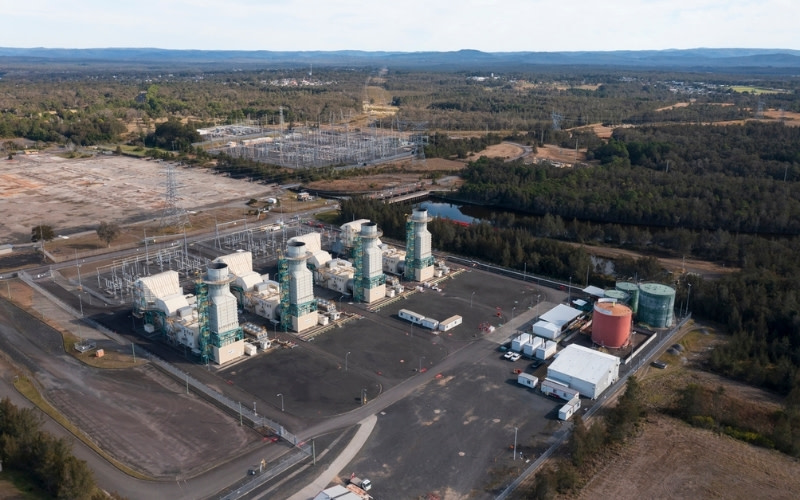
“And our energy plan shows that … We believe that we can control our data sovereignty, protect the rights of local communities, and enable that energy mix to bring those data centres on.”
NT chief minister Lia Finocchiaro later claimed the meeting was a win for her territory, saying the agreed deal “recognises the Beetaloo Basin will be online within days, we are not part of the National Electricity Market and we have a Territory-owned generation, transmission, and distribution system”.
“Our focus remains on affordability and reliability of electricity for Territorians above all else,” Finocchiaro said.
“We are proud of the large uptake of renewables in the Territory, and they will continue to be an important part of our energy mix.”
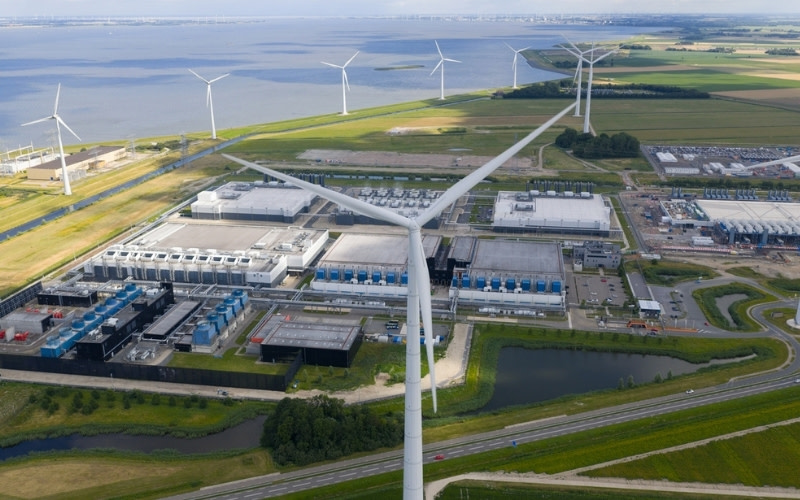
A report released on the same day by Data Centres Australia suggested that Australia’s renewable energy potential was a key attractor for data centre investors looking to produce and export “clean compute”.
Data Centres Australia chief executive Belinda Dennett said that data centre investment provided an opportunity to “boost our role as a global clean energy powerhouse”.
“By creating the right policy environment, we can capture more of the AI value chain locally, support thousands of high-skilled jobs, and play a pivotal role in the clean energy transition,” Dennett said.
Clean Energy Council chief executive Jackie Trad, whose organisation has hosted discussions over the project delivery timeline mismatch between renewables and data centres, pointed to the sector’s “potential to unlock significant new clean energy generation to power the Australian economy”.
“If we get the rollout right, we can use Australian-made power to back a thriving industry that delivers long-term benefits to our economy and our climate,” Trad said.