
ResidentialLindsay SaundersFri 04 Sep 26
Bathla Group Debt Surges Past $3.4bn as Lenders Turn Away

Bathla Group’s debt has climbed beyond $3.4 billion with administrators warning most of the developer’s construction sites could shut down as they scramble to secure funding from lenders.
The scale of the liabilities was outlined at Bathla’s first creditors’ meeting held September 4 as administrators Teneo revealed the group has just $200,000 in cash and faces an increasingly uncertain future.
Secured lenders are owed about $3.1 billion, while Bathla owes $145 million to the Australian Taxation Office, $42 million in unpaid land tax, about $10 million to the NSW iCare insurance scheme, $4 million to employees and $130 million to unsecured creditors.
A further $2 million is owed in payroll tax.
The figures remain preliminary as Teneo continues to investigate the group’s finances.
The administrators are in discussions with five major lenders over emergency funding, but only a fraction of Bathla’s 43 lenders is understood to be prepared to provide further support.
Teneo is seeking funding to keep construction moving, with the immediate requirement running into millions of dollars and a broader funding requirement of about $20 million.
The developers’ cash position means the next few days could determine whether work continues across its portfolio.
Projects at risk
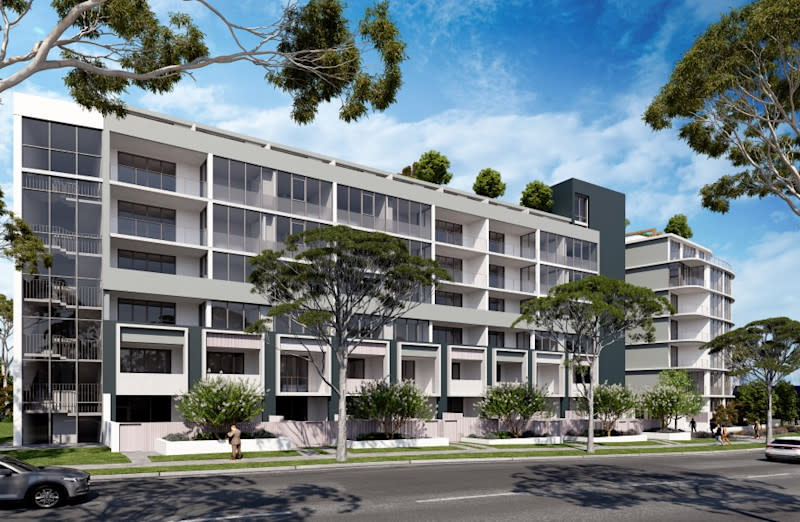
Bathla has about 2500 homes under construction and land for another 14,000 homes, predominantly across Western Sydney.
The group also has numerous infrastructure obligations tied to its developments, including works-in-kind agreements with councils.
The collapse therefore extends beyond unfinished homes, with councils and other stakeholders facing uncertainty over roads and other infrastructure needed to support Bathla’s projects.
Teneo has been assessing the portfolio on a project-by-project basis, with lenders increasingly taking control of individual sites where they hold security.
Some projects have already secured arrangements allowing construction to continue, while others face a funding shortfall.
The administrators have warned that work on most sites could stop without additional funding.
Staff and contractors exposed
The immediate financial pressure has also hit Bathla’s workforce.
About 21 employees and subcontractors have been stood down, while the company has struggled to meet its payroll obligations.
Teneo secured enough funding to meet payroll on September 3, but the administrators have warned there is not enough cash to continue paying staff indefinitely.
Bathla employs about 350 people and has around $4 million in employee wages and superannuation liabilities.
Contractors are also exposed, with smaller construction businesses facing potentially significant losses if projects are halted or creditors receive little from the administration.
The collapse has already prompted concerns about a wider wave of insolvencies through Bathla’s supply chain.
Private credit under pressure
Bathla’s failure is also putting the spotlight on the private-credit lenders that funded its rapid expansion.
The developer relied heavily on non-bank finance, with dozens of lenders exposed across its complex corporate structure.
The concentration of debt among secured lenders means the eventual recovery of Bathla’s assets will be closely watched by the private-credit market.
The administration is also raising questions over valuations, lending practices and the risks associated with providing short-term funding against residential development projects.
Bathla had previously attributed its financial difficulties to falling sales, weaker property prices, rising construction costs and changes to property taxation.
The group entered voluntary administration on August 25, with Teneo appointed to more than 500 entities across the business.
At the time, the group had about 219 construction projects and about 2000 homes under construction.
The latest creditors’ meeting has now put a clearer figure on the scale of the collapse, but the immediate question is whether lenders will provide enough funding to keep viable projects alive.
If they do not, Bathla could move rapidly from administration towards a large-scale liquidation, leaving thousands of buyers, contractors and other creditors facing uncertainty.