
Data CentresLindsay SaundersWed 23 Sep 26
Victoria Draws Line around State’s Fast-Growing Data Centre Surge

Victoria has introduced new requirements for data centre developments, including a buffer from homes, renewable energy requirements and restrictions on water use.
The state government released its Sustainable Data Centre Action Plan this week, setting new requirements for where data centres can be built and how they use energy, water and infrastructure.
New data centres will be prohibited in residential zones, near schools and childcare centres, and in rural areas that cannot support the required infrastructure.
A 150m buffer will apply between new data centre buildings and homes.
Data Centres Australia chief executive Belinda Dennett said the industry was disappointed by the blanket setback, arguing it was not tied to the actual impact of individual developments.
“A blanket 150m setback is not tied to actual impact,” Dennett said.
“It singles data centres out for a restriction that comparable industrial uses, such as warehouses and logistics facilities, do not face.”
Dennett said the restriction could reduce the number of sites that were economically viable and potentially push investment into other states, where suitable industrial land was already competing for data centre development.
The industry body supports parts of the new framework, but has questioned why a fixed setback is required when existing planning rules can already consider the impacts of individual developments.
CDC Data Centres chief executive Greg Boorer welcomed the framework, saying clearer rules could provide greater certainty for investors while helping communities understand how projects would be assessed.
“Clear frameworks help provide that confidence by establishing transparent expectations for industry, creating certainty for investors and helping communities better understand how projects will be assessed,” Boorer said.
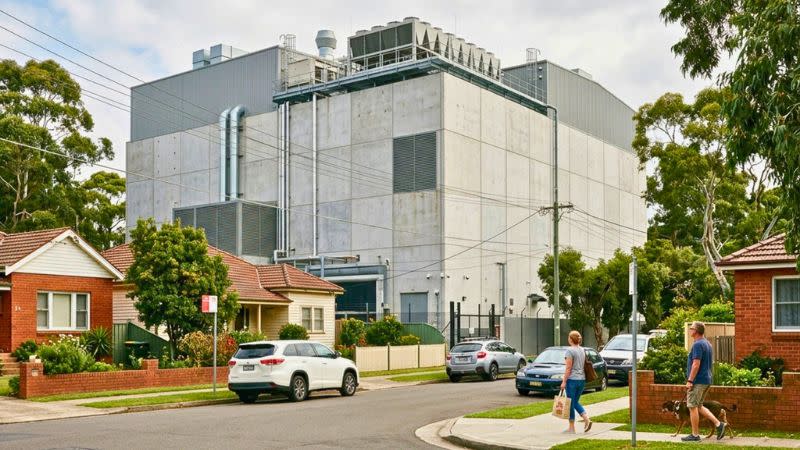
Under the new rules, developers will need to provide their own renewable energy supply and storage to match the additional electricity demand created by new facilities.
They will also be responsible for connection costs and any network upgrades required to support their developments.
The rules will require new data centres to use recycled or other non-drinking water for cooling.
Where this cannot be achieved immediately, operators will need to offset drinking-water use and fund infrastructure upgrades.
New projects will also require traffic management plans covering both construction and ongoing operations.
The government will introduce a Local Investment Guarantee requiring new data centre developments to provide benefits to host communities.
Those benefits could include jobs, training, TAFE facilities and parks, with developers also expected to work with local employment and training services.

The changes come as data centre demand increases across Victoria, with the government estimating the sector’s energy consumption will quadruple by 2030.
The state government said the data sector delivered $5.8 billion in capital expenditure in Victoria last year, with data centre construction supporting hundreds of jobs.
There are currently 50 operating data centres in Victoria, with most concentrated in Melbourne’s west, according to Data Centres Australia.
The new requirements will not apply retrospectively to data centre projects already approved or applications already under assessment.
Eight applications currently before the planning minister will therefore continue under the previous rules, according to media reports.
The government said it would develop further guidance on data centre location, siting, design and built form during 2027.
Victoria’s new framework comes ahead of proposed Federal standards for data centres, with the Commonwealth working towards national requirements covering energy, water and land use from 2027.
The Victorian framework adds to growing differences between states over how data centre development should be regulated, with industry facing different requirements around energy, water, land use and infrastructure costs across the country.





