Sponsored ContentPartner ContentWed 30 Sep 26
Right to Disconnect Puts Flexible Workspace in the Spotlight

Right-to-disconnect rules now cover employers of every size but switching off is harder when the desk never leaves home.
Small business employers passed their first full year under the right to disconnect in August, completing a two-stage rollout that began in August 2024 and now covers employers across the national workplace relations system.
Employer sentiment has been broadly positive, although the legal boundaries remain relatively untested.
Flexible workspace operator JustCo says businesses should also consider how the working environment can help employees maintain clearer boundaries between work and personal time, particularly when home and workplace are one and the same.
Founded in 2011 and headquartered in Singapore, JustCo is an award-winning flexible workspace partner trusted by globally recognised companies across industries.
With multiple locations across the Asia Pacific region, from Singapore to Tokyo, Bengaluru to Sydney, JustCo is home to the businesses and teams shaping the future of work.
Boundaries still being drawn
The right to disconnect allows employees to refuse to monitor, read or respond to work-related contact outside their working hours where that refusal is reasonable.
It took effect for larger employers in August 2024 and extended to small businesses on 26 August 2025.
1 of 5
Whether a refusal is reasonable depends on factors including the reason and method of contact, the employee’s role and remuneration, and their personal circumstances.
Disputes can be taken to the Fair Work Commission.
However, limited case law means many employers are still navigating the requirements without an extensive body of decisions clarifying where the boundaries lie.
Employer sentiment positive, with caveats
Research released by the Australian HR Institute in May 2025, drawing on more than 600 senior business decision-makers, found 58 per cent believed the right to disconnect had improved employee engagement and productivity.
A further 37 per cent reported reduced workplace stress, while 39 per cent observed improvements in work-life balance.
The figures describe perception rather than measurement. The survey asked senior business decisionmakers what they believed had changed for their staff, so it records employer impressions of employee experience rather than outcomes reported by employees themselves.
Where the workplace comes into it
For employees working from home, separating work from personal time can require more deliberate effort.
When the desk is in a bedroom or at the kitchen table, there is no commute or physical departure from the workplace to signal the end of the working day.
1 of 3
That does not mean returning to the office is the answer for every business. A physical workspace alone cannot address the expectations that lead to unnecessary after-hours contact.
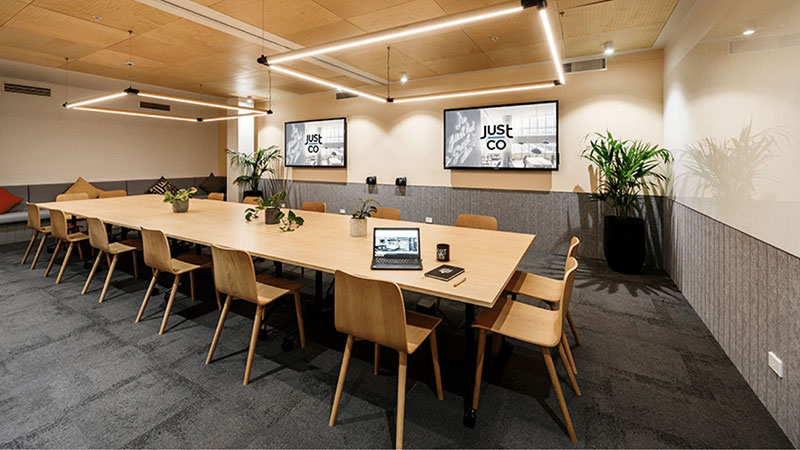
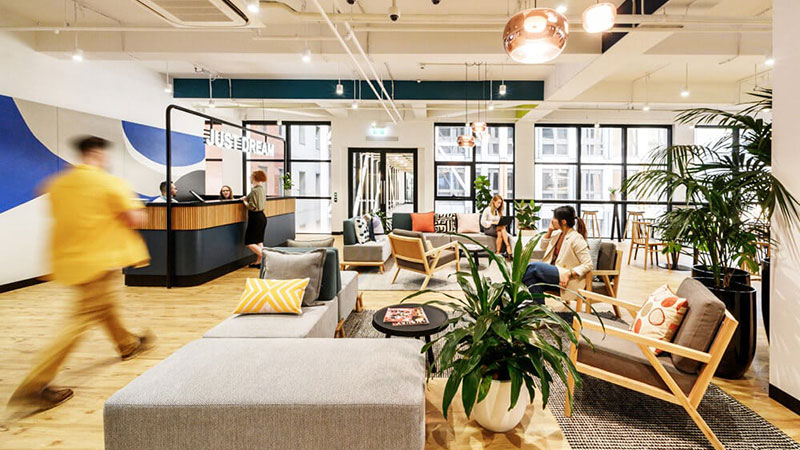
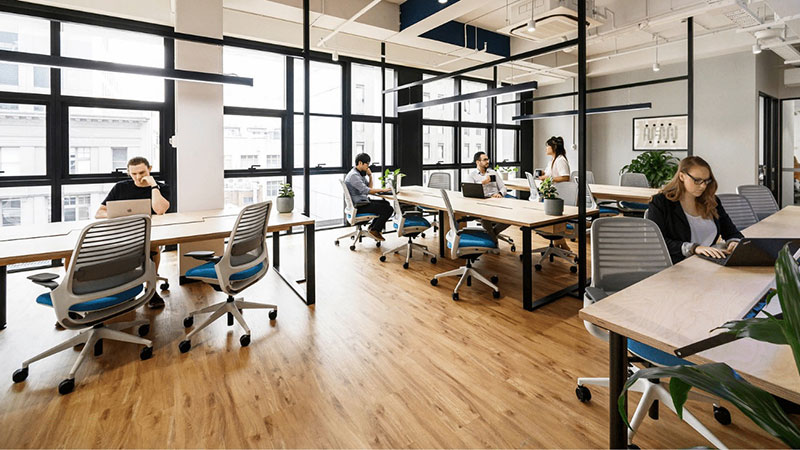
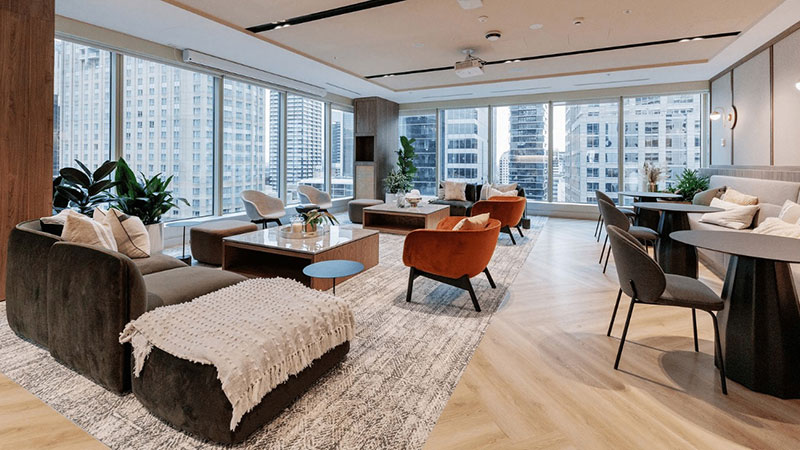
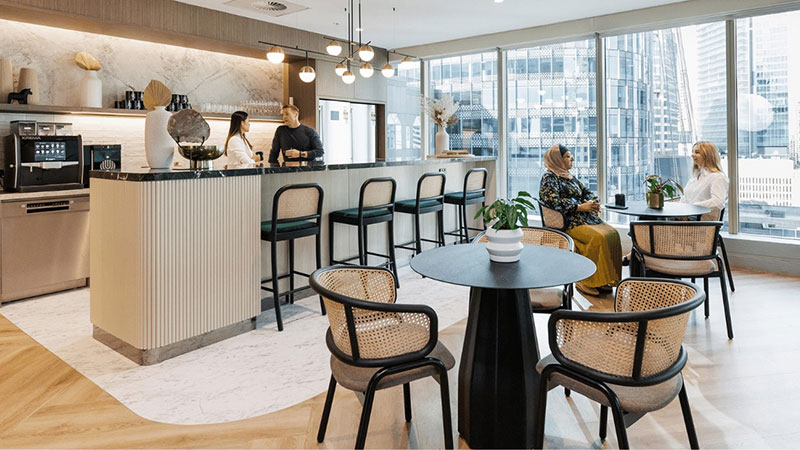
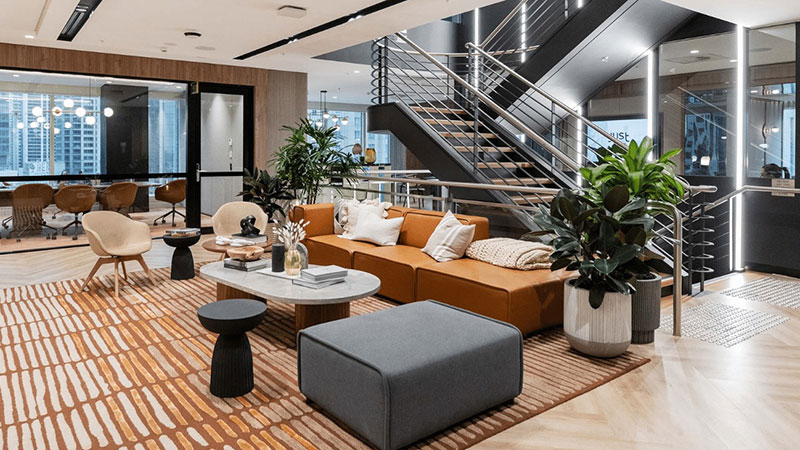
However, having appropriate spaces to focus, collaborate and take calls can help employees keep more of their work within business hours.
The question is particularly pointed in property and construction, where site issues, consultant coordination and approval deadlines routinely spill past business hours.
For development managers, architects and planners who split their week between site, studio and home, a dedicated base can make it easier to draw a clear line under the working day.
For small businesses, flexible workspace can provide that environment without the commitment of a conventional office lease.
A hot desk office in Melbourne or hot desk office in Sydney can suit teams that need an occasional professional base. A private office rental in Melbourne or private office for lease in Sydney can provide teams with a more permanent, dedicated space.
JustCo offers both options across Melbourne and Sydney CBDs as part of its wider Asia-Pacific network.
As more right-to-disconnect cases are considered, the legal boundaries will become clearer.
For now, businesses can look beyond compliance alone by setting expectations around availability and creating working environments that make it easier for employees to disconnect at the end of the day.
The Urban Developer is proud to partner with JustCo to deliver this article to you. In doing so, we can continue to publish our daily news, information, insights and opinion to you, our valued readers.